


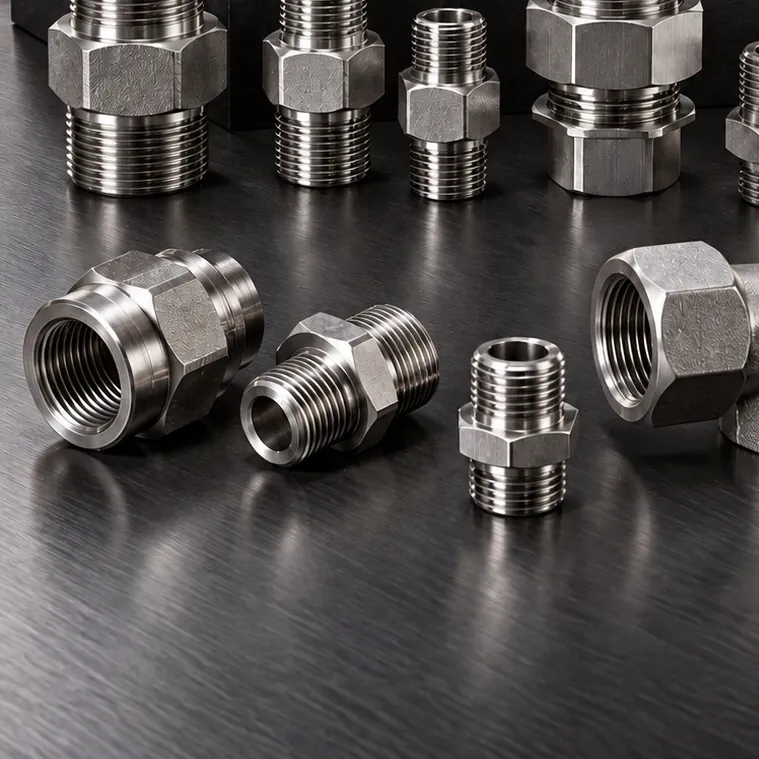
DIN 2353 Compression Fittings
Male Stud Connector (BSPP)
Stainless steel male stud connector with a 24° cone tube end and BSPP male thread, connecting tube to pump, valve block or…
Newbuild · Drydocking · Overhaul
Stainless steel pipe, flanges, fittings and hose assemblies, from newbuild piping circuits to drydock overhauls; fast spares from stock for ship crane service teams.
Featured products in this sector
View all 22 productsProducts
22 products are listed for the operating conditions of Shipyards & Ship Repair. Narrow down by group; open a product page for sizes and thread standards.
DIN 2353 Compression Fittings
Stainless steel male stud connector with a 24° cone tube end and BSPP male thread, connecting tube to pump, valve block or…
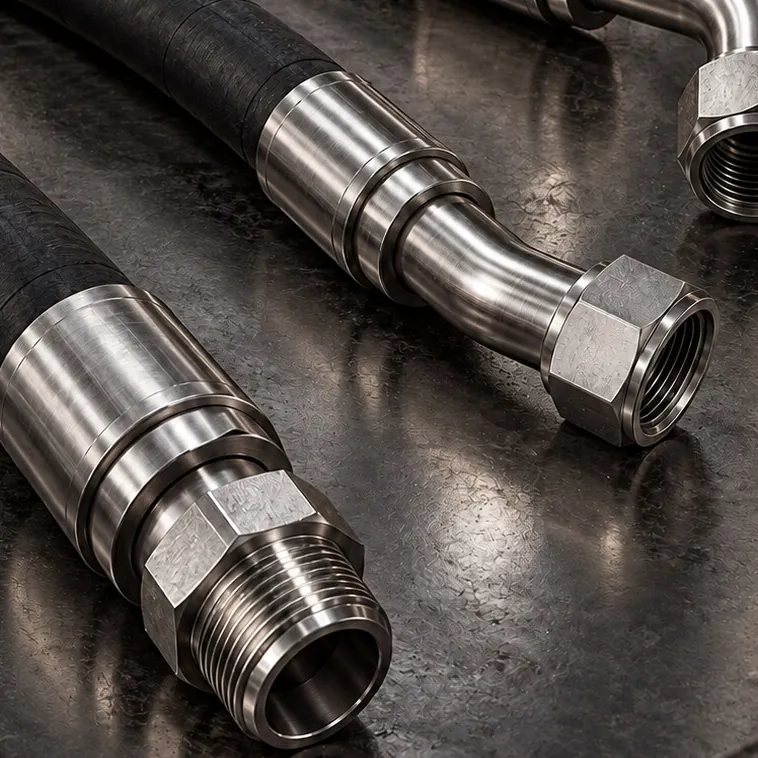
Hose Fittings & Ferrules
Stainless steel crimp-style 90° hose fitting with a female BSP swivel nut and 60° cone seat. Routes the hose at a right angle in…
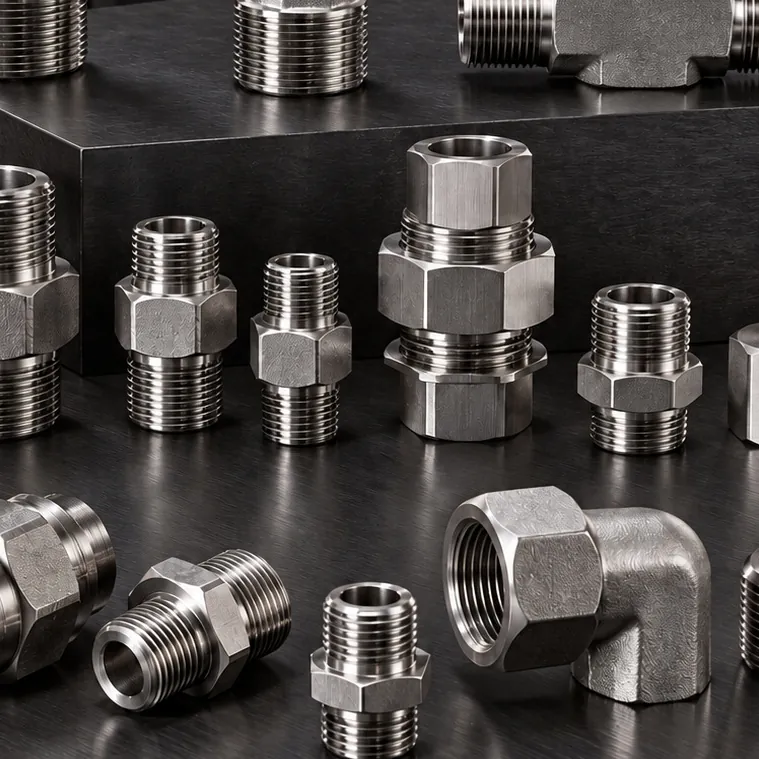
DIN 2353 Compression Fittings
24° cone straight coupling (DIN 2353) that joins two stainless steel tubes on the same axis without welding. AISI 316L body, L…
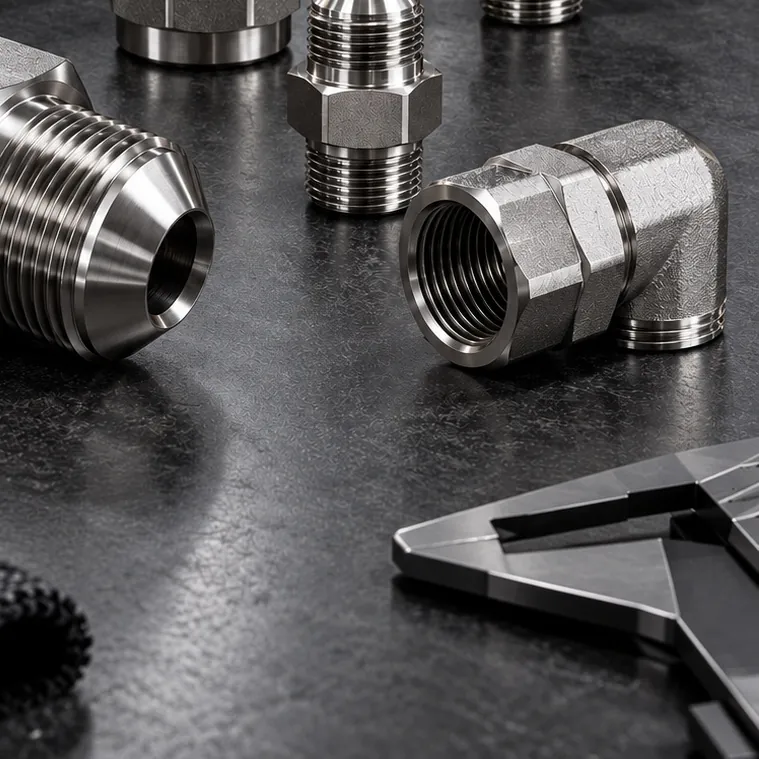
DIN 2353 Compression Fittings
Stainless steel 24° cone equal elbow providing a weld-free 90° change of direction in a tube line. For tight installation spaces…
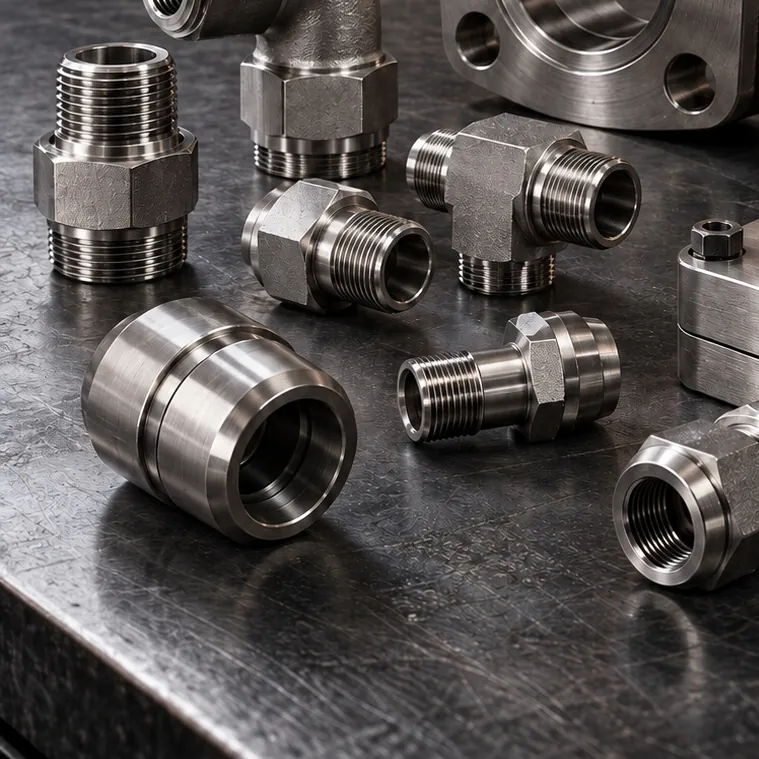
DIN 2353 Compression Fittings
Stainless steel 24° cone equal tee joining three tubes of the same diameter, used to branch off the main line. AISI 316L, DIN…
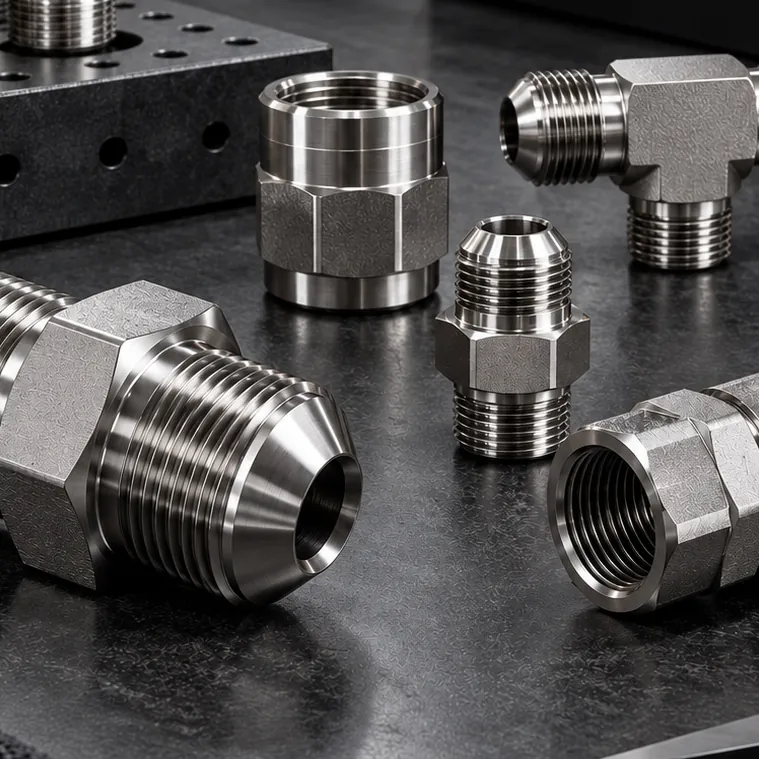
DIN 2353 Compression Fittings
Stainless steel 24° cone bulkhead coupling with locknut that routes a tube line through a panel, tank wall or ship bulkhead in a…
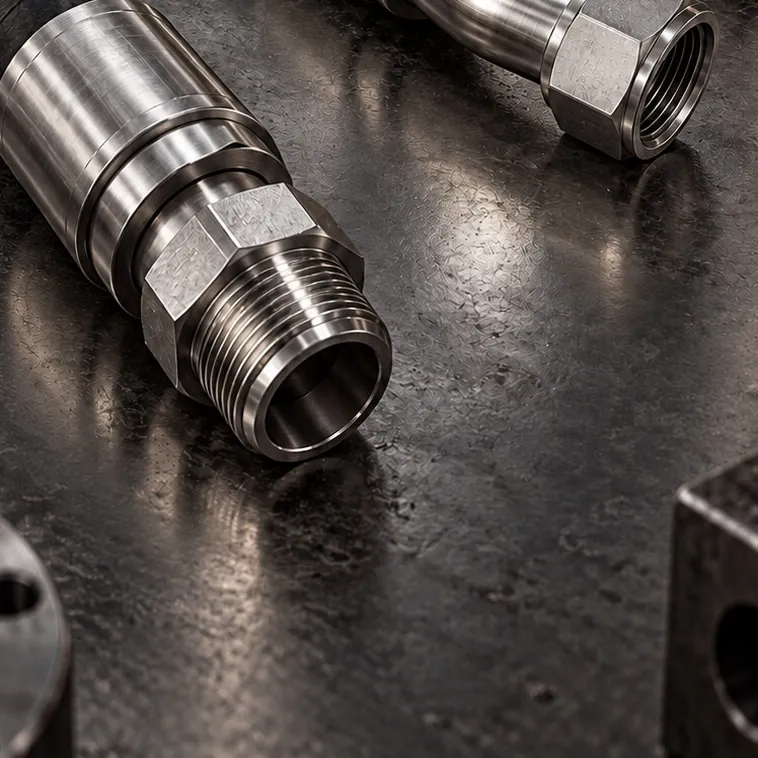
Hose Fittings & Ferrules
Stainless steel DKOL straight hose fitting (L series) with a metric swivel nut and 24° cone with O-ring. Connects directly to DIN…
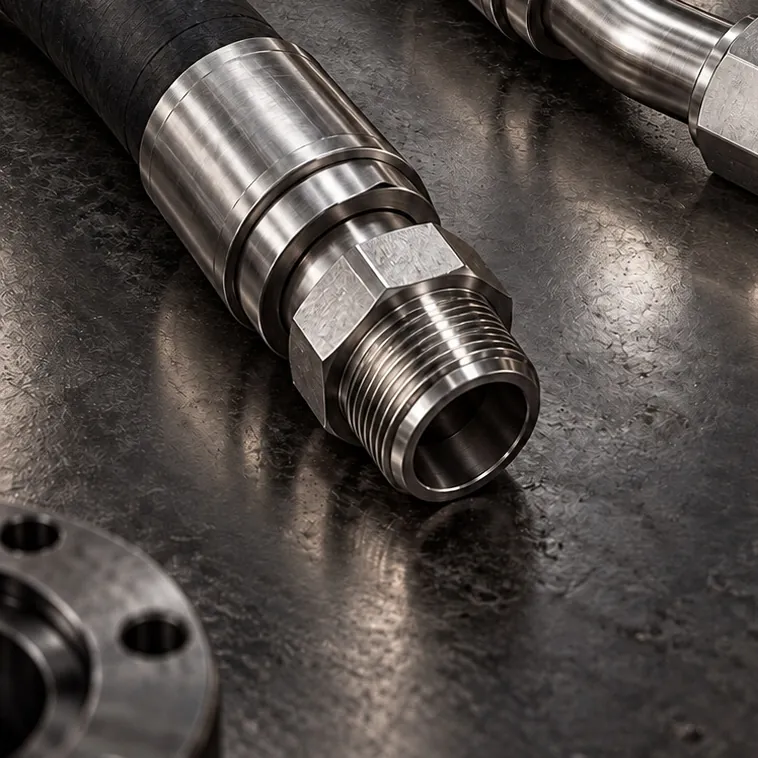
Hose Fittings & Ferrules
Stainless steel crimp ferrule for 2SN hydraulic hoses with two steel wire braids. Crimped together with the hose fitting to form…
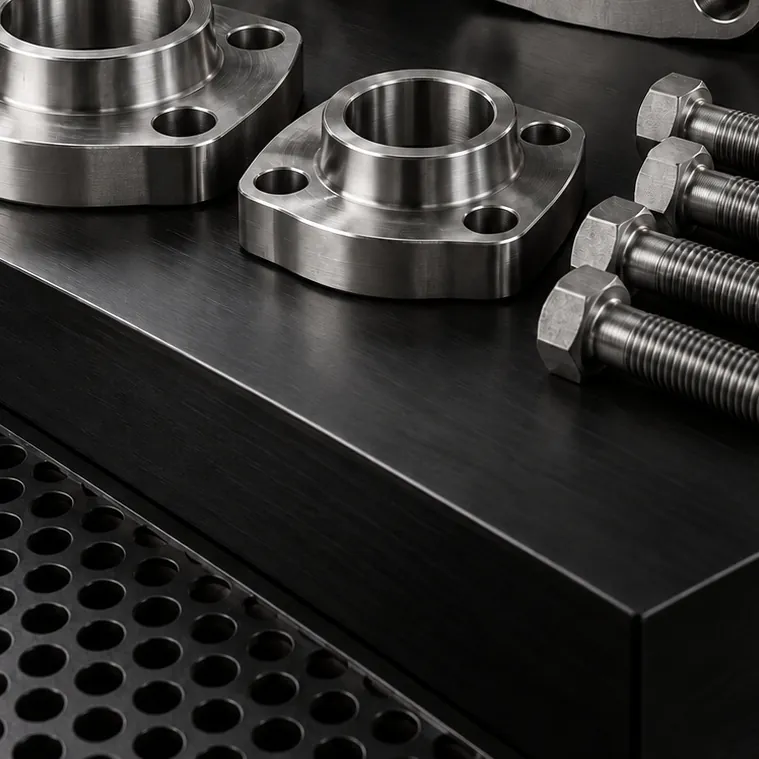
SAE Flanges (Code 61 / 62)
Stainless steel blind flange for closing off unused SAE flange ports or flanged line ends. Made to Code 61 and Code 62 port…
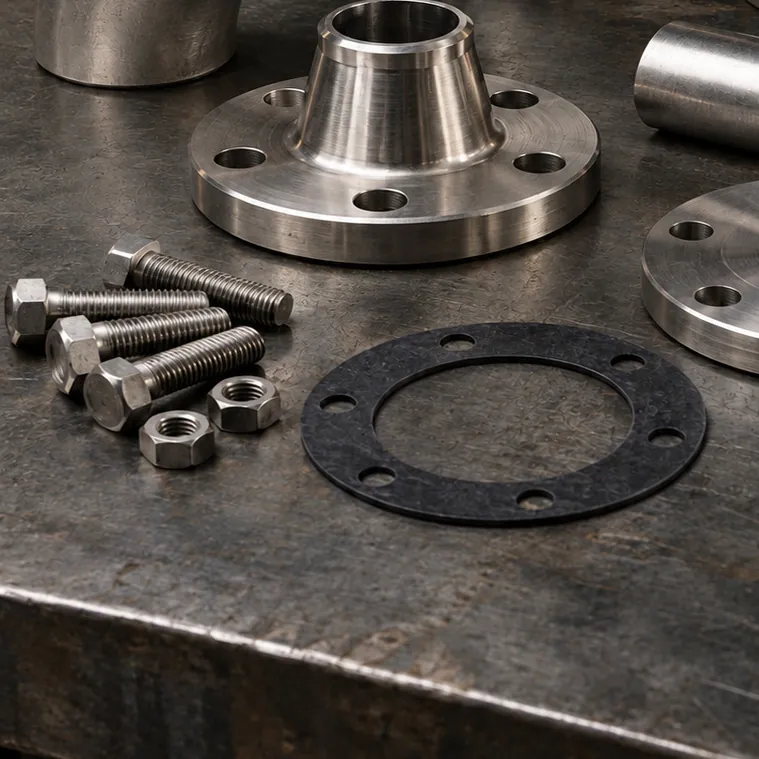
Stainless Steel Pipes & Flanges
Stainless steel flange with a tapered hub that is butt-welded to the pipe. For equipment connections and removable line breaks in…
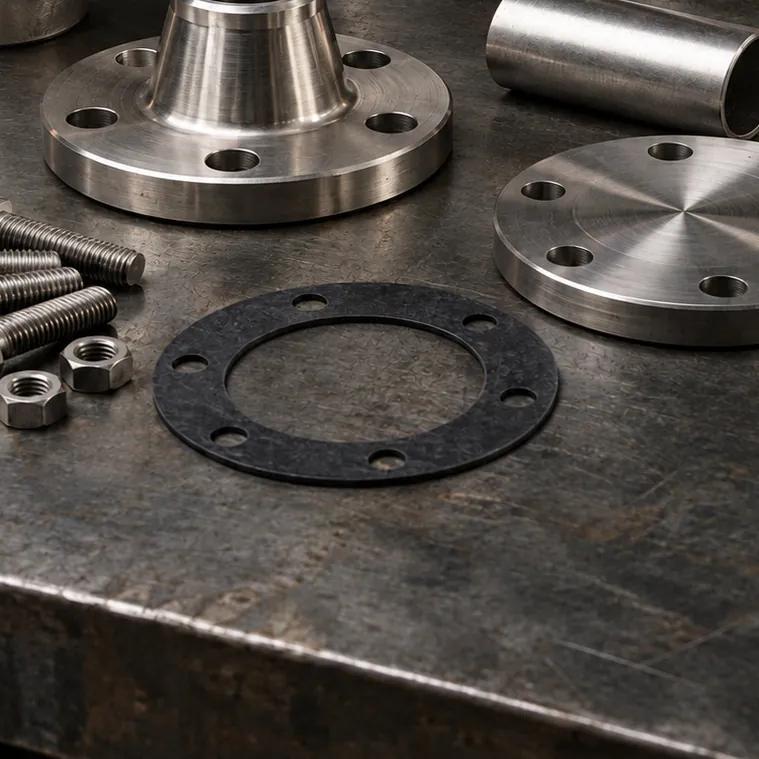
Stainless Steel Pipes & Flanges
Stainless steel blind flange that closes off the end of a pipeline or equipment outlet. For closing off lines, allowing for…
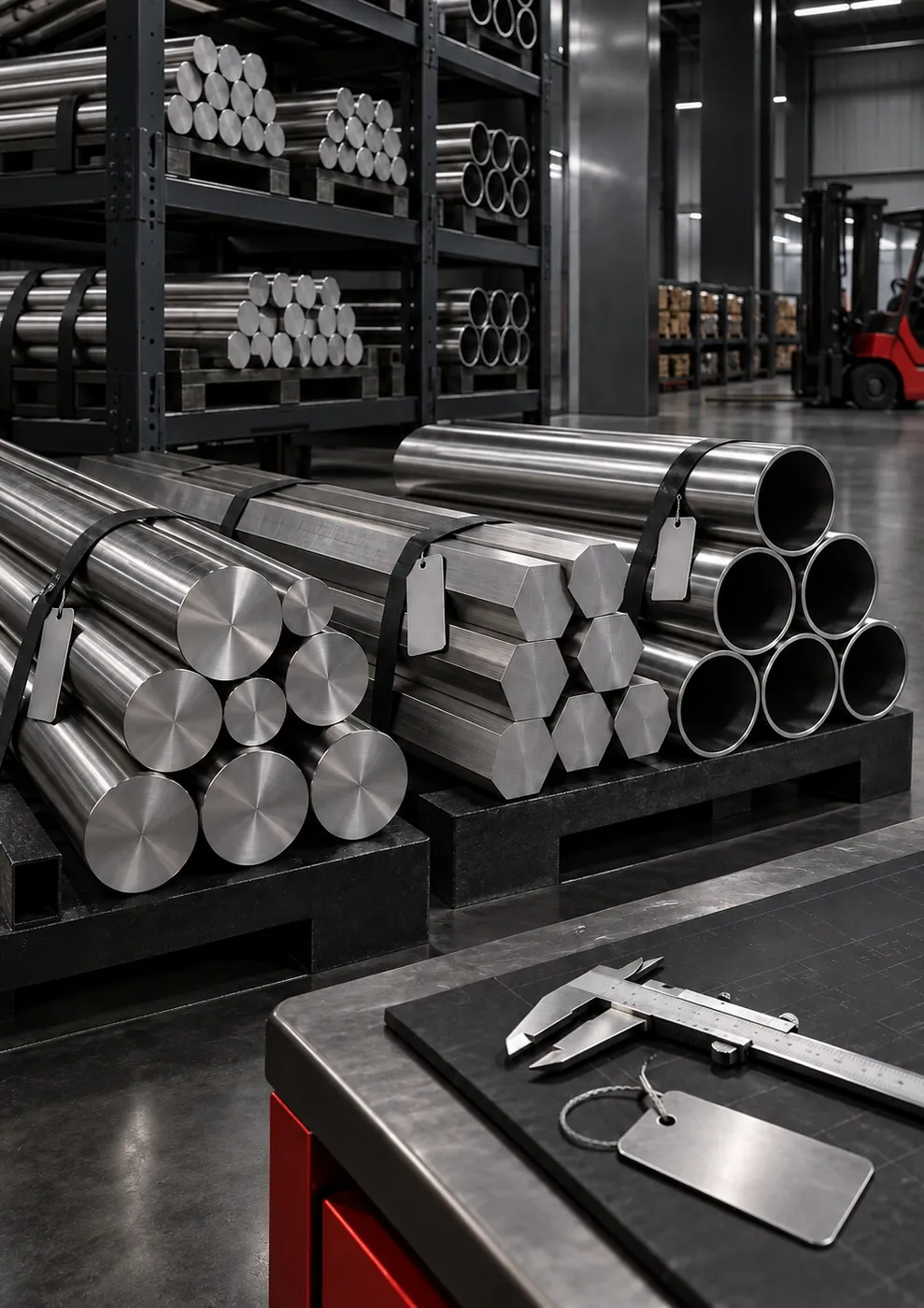
Stainless Steel Pipes & Flanges
Seamless stainless steel hydraulic tube in metric OD sizes for bite-type compression fittings and welded lines. AISI 316L; wall…
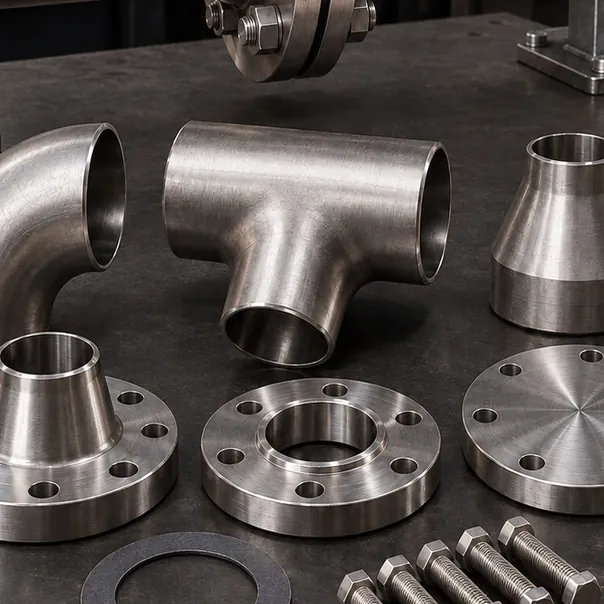
Butt-Weld Pipe Fittings
Butt-weld elbow for 90° changes of direction in welded stainless steel piping. Long (1.5D) and short (1D) radius; Schedule wall…
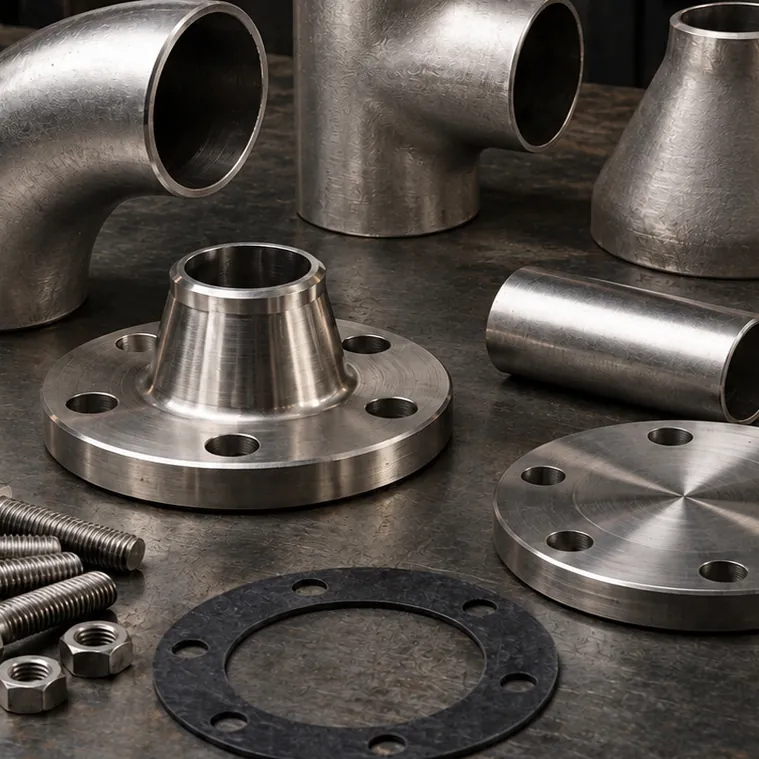
Butt-Weld Pipe Fittings
Butt-weld equal tee for same-size branch connections in welded stainless steel piping. AISI 316/316L for header, distribution and…
Butt-Weld Pipe Fittings
Butt-weld concentric reducer providing a coaxial size transition in welded stainless steel piping. For pump discharge lines and…
JIC 37° Fittings & Adapters
Stainless steel 90° elbow with a JIC 37° male end and a JIC 37° female swivel nut end. Routes hoses without twisting and makes…
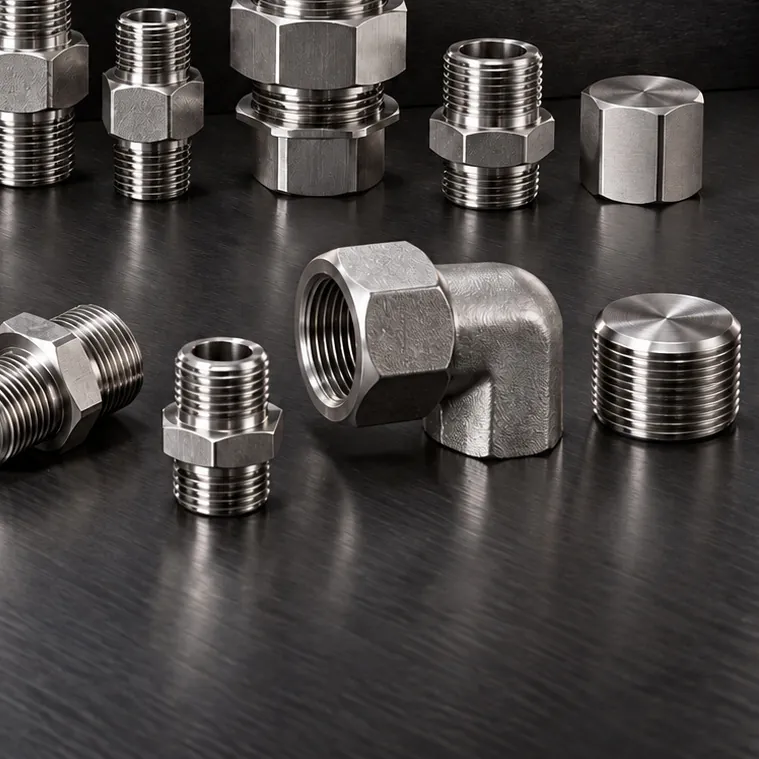
JIC 37° Fittings & Adapters
Male plug for sealing JIC 37° female ends and female cap for sealing male ends. Stainless steel, for sealing off lines, pressure…
BSP / NPT Adapters & Nipples
Stainless steel male x male reducing adapter with BSPP threads of different sizes and a 60° cone seat at each end. Size…
Weld Nipples & Weld Fittings
Stainless steel set consisting of a 24° cone body, a nut and an O-ring weld nipple that is butt-welded to the tube. Adds a…
Weld Nipples & Weld Fittings
Stainless steel bulkhead coupling welded into a ship bulkhead, tank wall or shell plate, with 24° cone compression connections on…
Weld Nipples & Weld Fittings
Stainless steel 90° elbow with one end welded to the tube and a 24° cone bite-type compression end on the other. Right-angle…
Weld Nipples & Weld Fittings
Stainless steel 24° weld nipple that is butt-welded to the tube end and seats in a 24° cone with an O-ring. Straight, reducing…
Can't find your part in the list?
Send a sample photo, technical drawing or dimensions; we'll identify the right fitting from our catalog or through custom manufacturing.
Faik Güney · Contact person
Services
Beyond supplying parts, we complete the job in the field with piping, hose assembly, custom manufacturing and technical identification.
Welded and demountable stainless steel lines built from AISI 316/316L pipe, flanges and fittings: bevel preparation…
View service – Stainless Steel Pipe FabricationStandard stainless steel fittings, adapters, hose ends, flanges and valves ready to ship within an average of 1-3…
View service – Fast Supply & Shutdown SupportHydraulic hose assembly and crimping: hose assemblies with straight, 45° and 90° stainless steel ends in BSP, JIC, NPT…
View service – Hydraulic Hose AssembliesWhere a standard product is not the answer: custom adapters, nipples, flange blocks and transition parts made from a…
View service – Custom Parts from Drawings & SamplesSelection of AISI 316L-body ball valves, needle valves and check valves by body, connection standard, bore size…
View service – Valves, Check Valves & Flow ControlAISI 316/316L tube with twin-ferrule union, elbow, tee, connector and adapter fittings for small-bore measurement…
View service – Instrumentation TubingIdentifying BSP, NPT, UNF/JIC and metric threads by measurement, matching them correctly to the mating part, and…
View service – Fitting & Thread IdentificationOrderly, labeled and service-friendly connections with stainless steel tube and fittings on control panels, power units…
View service – Control Panel & HPU TubingStainless steel hydraulic fittings and hose assemblies for ship and boat steering systems and for passerelle, crane and…
View service – Steering Gear & Actuator PartsOverview
Quick answer
In shipyards, newbuild hydraulic piping circuits use AISI 316L pipe, weld nipples, flanges and 24° cone bite-type fittings, while maintenance and repair work calls for adapters that match the existing port exactly, hose assemblies and spare parts produced from samples. Selection is driven by the existing thread standard, pipe outside diameter and wall thickness, working pressure and the drydock schedule.
A shipyard runs on two different timescales: in a newbuild project, piping circuits are planned months in advance, while in maintenance and repair every day the ship spends in drydock is a cost. What both have in common is that the fitting arriving on site must be right the first time. A wrong thread, a missing adapter or a delayed flange keeps the pipe crew and the installation schedule waiting.
Manufacturing in Tuzla, in the same district as the shipyards, GÜNEYSS supplies AISI 316/316L stainless steel pipe, flanges, fittings, valves and hose assemblies for newbuild and maintenance and repair projects. Standard sizes are prepared from stock for ship crane service providers and engine room overhaul teams; the fittings that replace removed old parts are produced from samples or drawings.
Field conditions
We select fittings for these conditions and specify the material, sealing type and installation method accordingly.
Describe your own conditionsEvery day in drydock is a cost; the parts to be replaced often become clear only after the lines have been dismantled.
European, US and Asian cranes, pumps and valves with different thread standards coexist on the same ship.
In welded piping circuits, bevel preparation, axial alignment and flushing before commissioning determine sealing performance and pump life.
On older ships, adapters whose manufacturer has changed or whose size is non-standard must be reproduced from samples.
Carbon steel deck lines have to be dealt with again at every drydocking; the same job keeps repeating until they are switched to stainless steel.
Technical selection notes
Points we clarify with you before ordering for Shipyards & Ship Repair applications.
In an overhaul, the new part must match the existing port and pipe on board exactly; outside diameter, thread pitch and sealing type are verified together.
Outside diameter, Schedule and pressure class should be compared on the same list with the elbows, tees, reducers and flanges.
A flange or weld nipple at equipment and maintenance points makes disassembly easier at the next drydocking.
Items requiring class approval or material certificates should be specified separately in the quote request.
End types, angles, overall length and the orientation offset between two angled ends ensure that the hose assembly arrives right the first time.
Detailed guide
On newbuild ships, the hydraulic system consists of piping circuits branching out from the power units to deck machinery, hatch covers, ramps and doors, the steering gear and remote-controlled valve systems. When stainless steel pipe is chosen over carbon steel for these lines, the internal pickling and preservation treatments required for carbon steel are largely reduced; weld areas still need cleaning, but external corrosion is no longer a problem throughout the service life.
Points to watch in pipe spool fabrication:
For items that require classification society approval or material certificates, stating this requirement at the quotation stage ensures that the production plan is set up correctly from the start.
The list of fittings to be replaced during drydocking often becomes clear only after the ship has entered the dock and the lines have been dismantled. At this point, three approaches save time:
During an overhaul, the same line may turn out to contain parts from different periods, some BSP and some metric. In such cases, rather than adding a separate conversion adapter at every point, renewing the line to a single standard should be considered; fewer adapters mean fewer potential leak points.
Due to chafing, sunlight and salt, the hoses on deck and provision cranes are among the most frequently replaced hydraulic parts on board. Cranes from different manufacturers may combine BSP, JIC/UNF, metric and SAE flange connections. For crane service teams, a hose assembly can be made up using the connection type, length and angle information for both ends of the old hose; supplying frequently used adapters and elbows from stock shortens the time the service team spends waiting on board.
| Line type | Typical connection | Point to watch |
|---|---|---|
| Power unit main pressure line | SAE flange (Code 61 / 62), welded pipe | Code selection based on nominal size and working pressure |
| Deck distribution lines | 24° cone bite-type fitting (DIN 2353 / ISO 8434-1), weld nipple | Tube outside diameter and wall thickness must be verified |
| Supply to moving equipment | Hose assembly, JIC or BSP end | Bend radius and twisting check |
| Measurement and control lines | Twin-ferrule instrumentation fittings | Clean, square tube cut |
In shipyard projects, what delays a quotation the most is an incomplete definition. When the following information is shared upfront, stock and manufactured items can be separated in the first round:
Standard sizes in stock are ready to ship within 1-3 business days on average; standard production is scheduled within 5-10 business days on average, hose assemblies made up to length within 5-15 business days on average, and custom-size and project manufacturing within 10-20 business days on average after technical approval. In newbuild projects, splitting the bill of materials into phased deliveries makes it easier to ship in line with the installation sequence. Parts are packed separately by size and order group, with threads and ports closed off by protective caps; when order groups are placed per circuit, packaging follows the same arrangement, so it is easy to tell on site which package belongs to which line.
Applications
Teams in Shipyards & Ship Repair that need fittings, hose assemblies and custom parts.
Stainless steel piping circuits, flanges and fitting kits grouped per circuit for deck machinery, hatch covers and steering gear.
Exact-size adapters, hose assemblies and parts produced from samples to replace lines removed during the drydock period.
Hose assemblies, conversion adapters and elbows from stock for deck, provision and cargo cranes.
Conversion from carbon steel to stainless steel and flanged pipe renewal in power unit, filter and cooling circuits.
Weld nipples, elbows, tees, reducers and flanges used by shipyard subcontractors in pipe spool fabrication.
New line connections for cranes, passerelles or hatch cover systems added to an existing ship.
Gallery
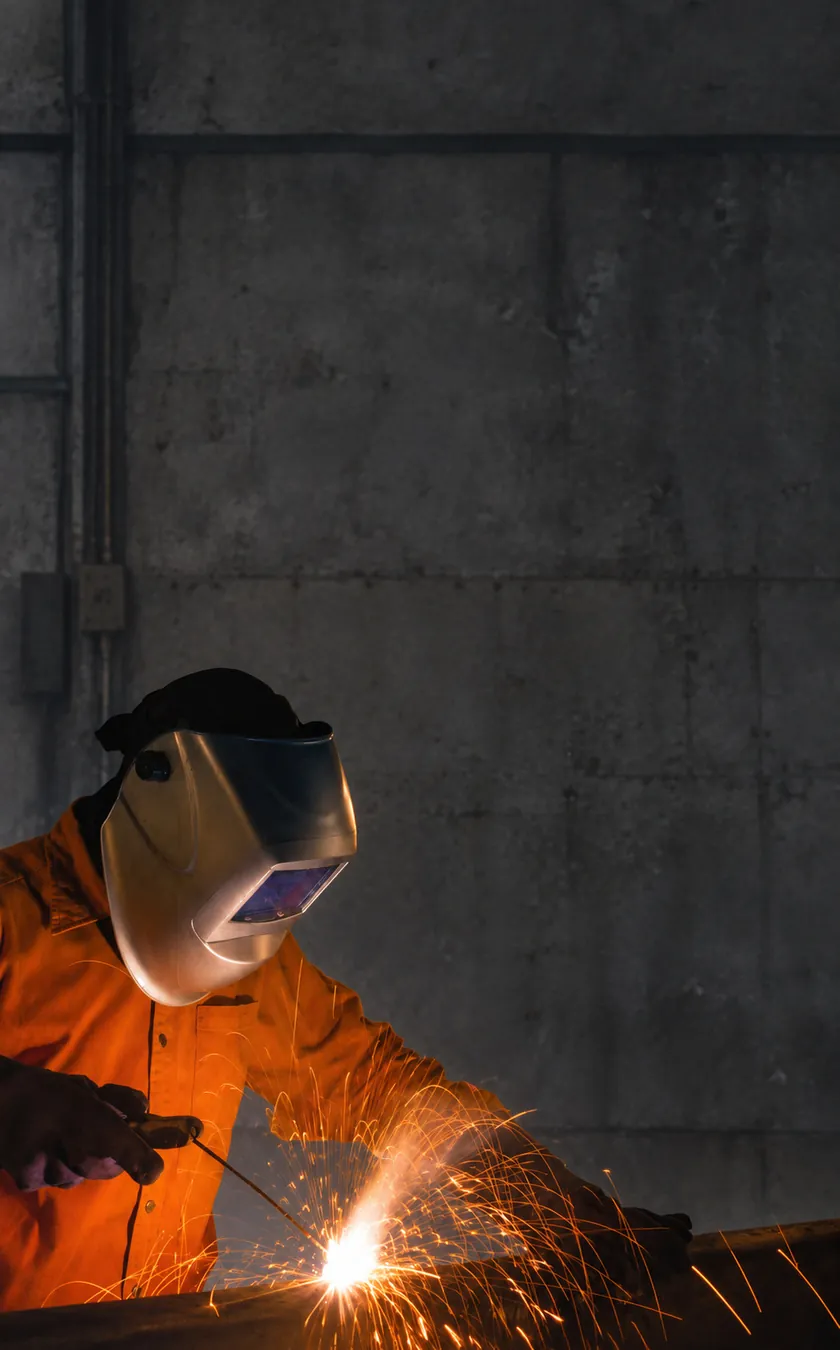
Welding on a stainless steel pipeline (illustrative image)
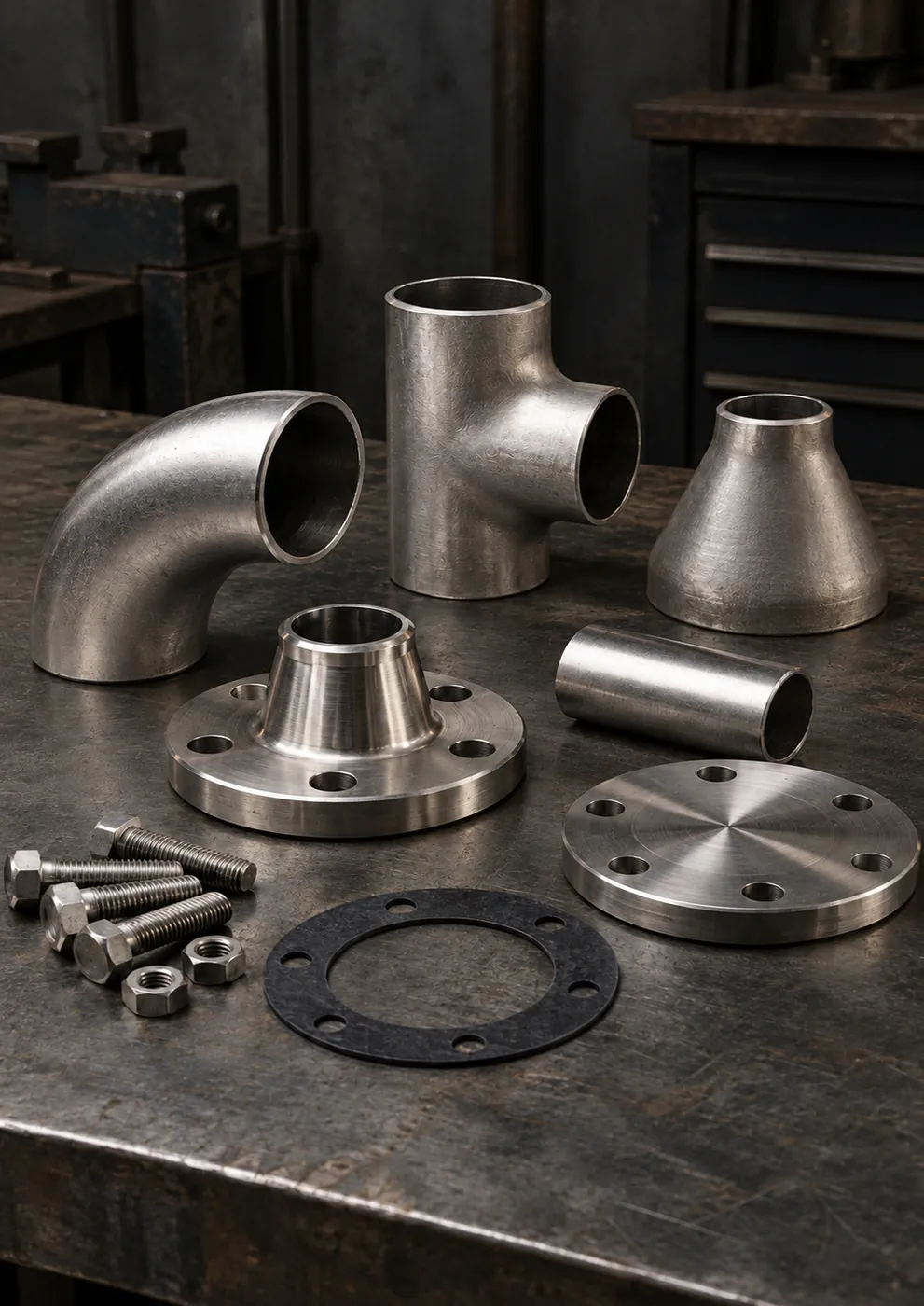 Weld neck flange, stainless steel pipe, gasket and bolt set (illustrative image)
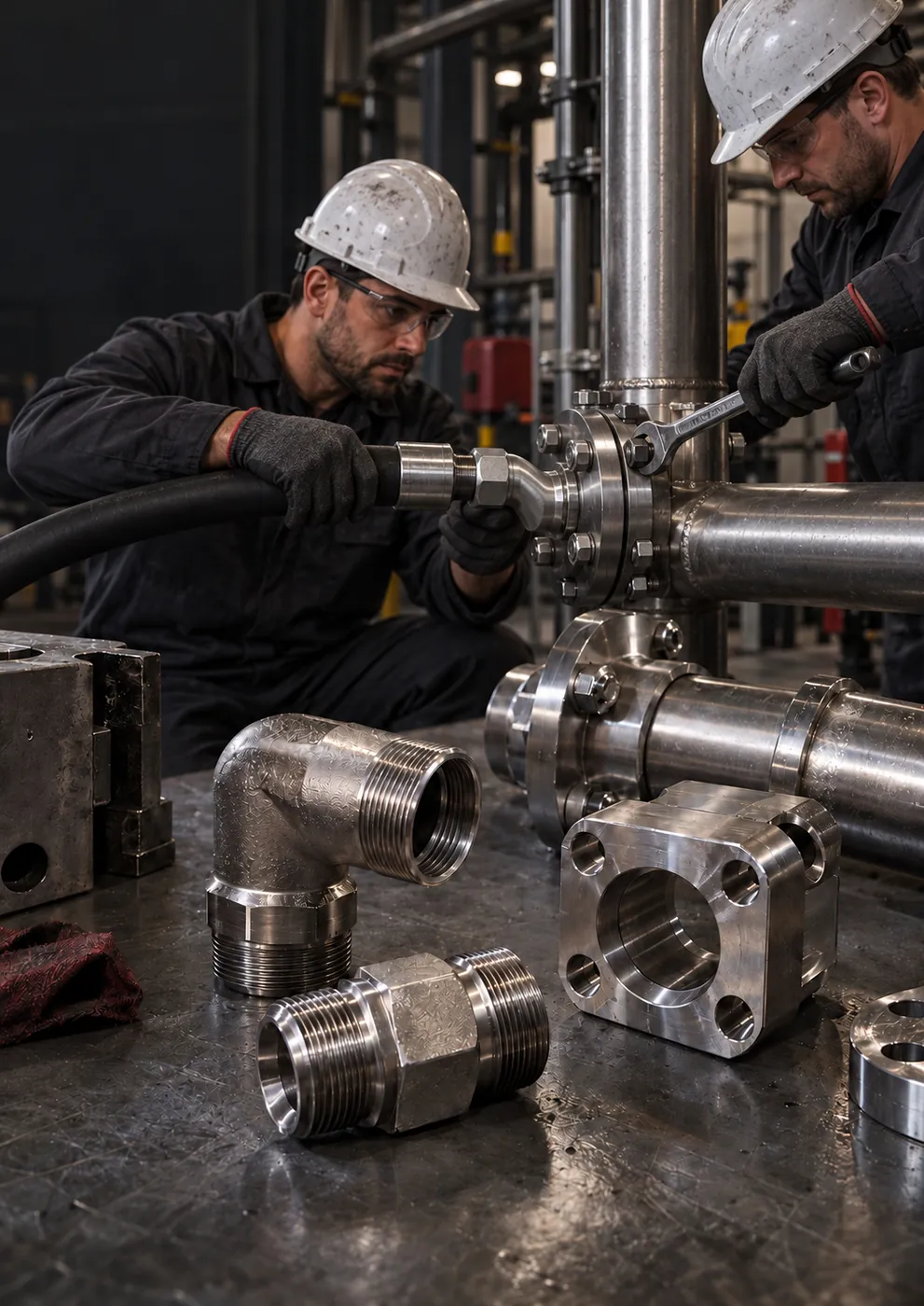 Installing a hose connection on a flanged pipeline (illustrative image)
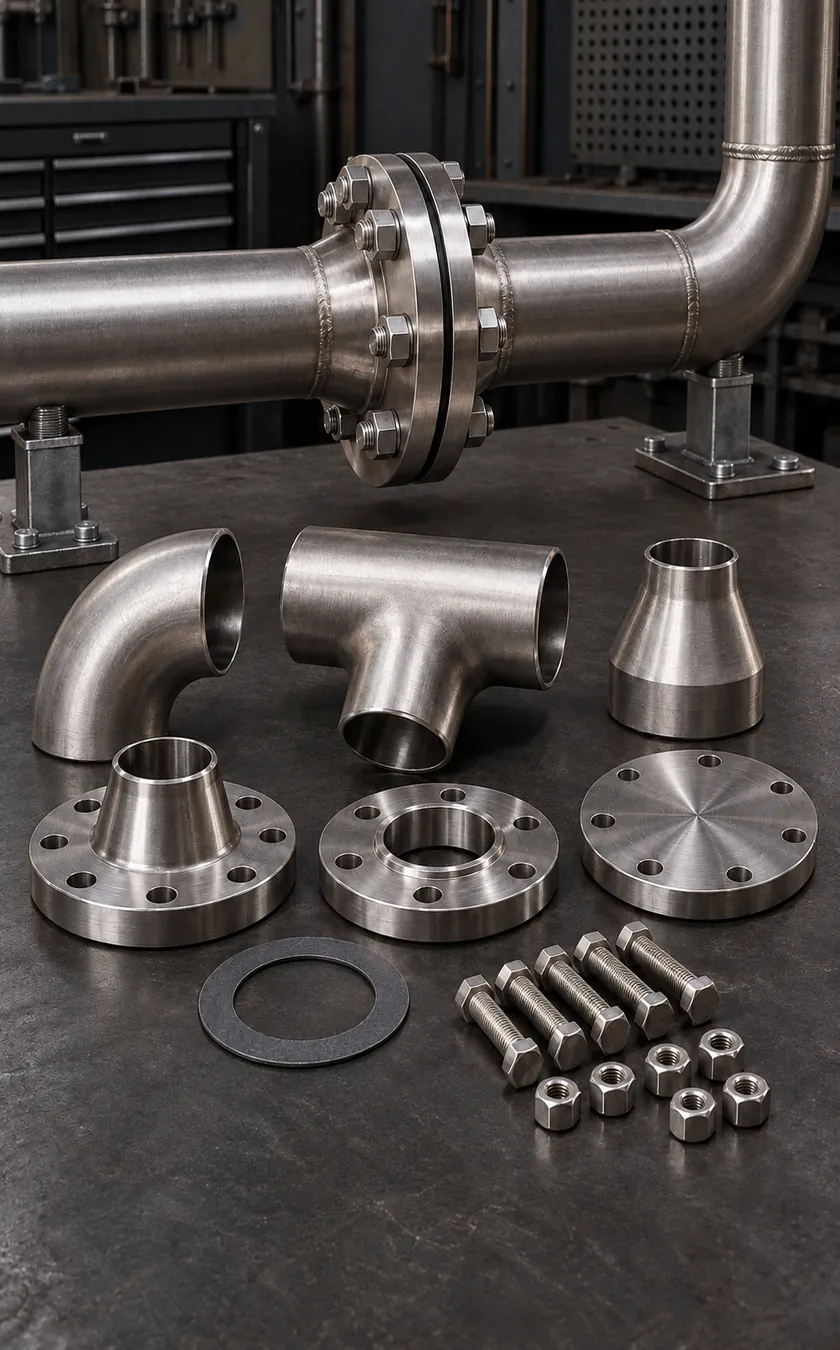 Butt-weld elbows, tees, reducers and flanges for piping circuits (illustrative image)
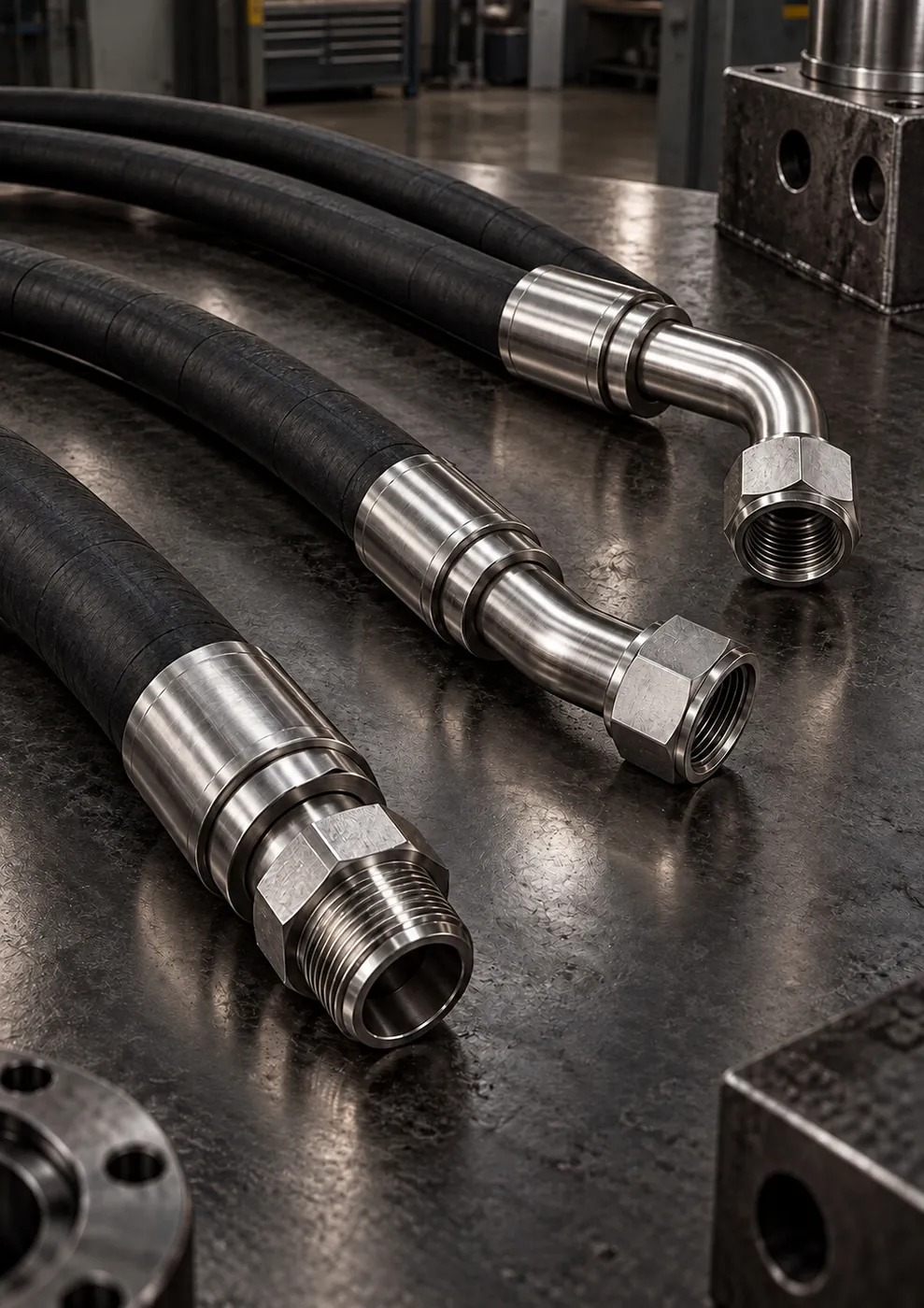 Hose assemblies for cranes and deck equipment (illustrative image)
Knowledge Center
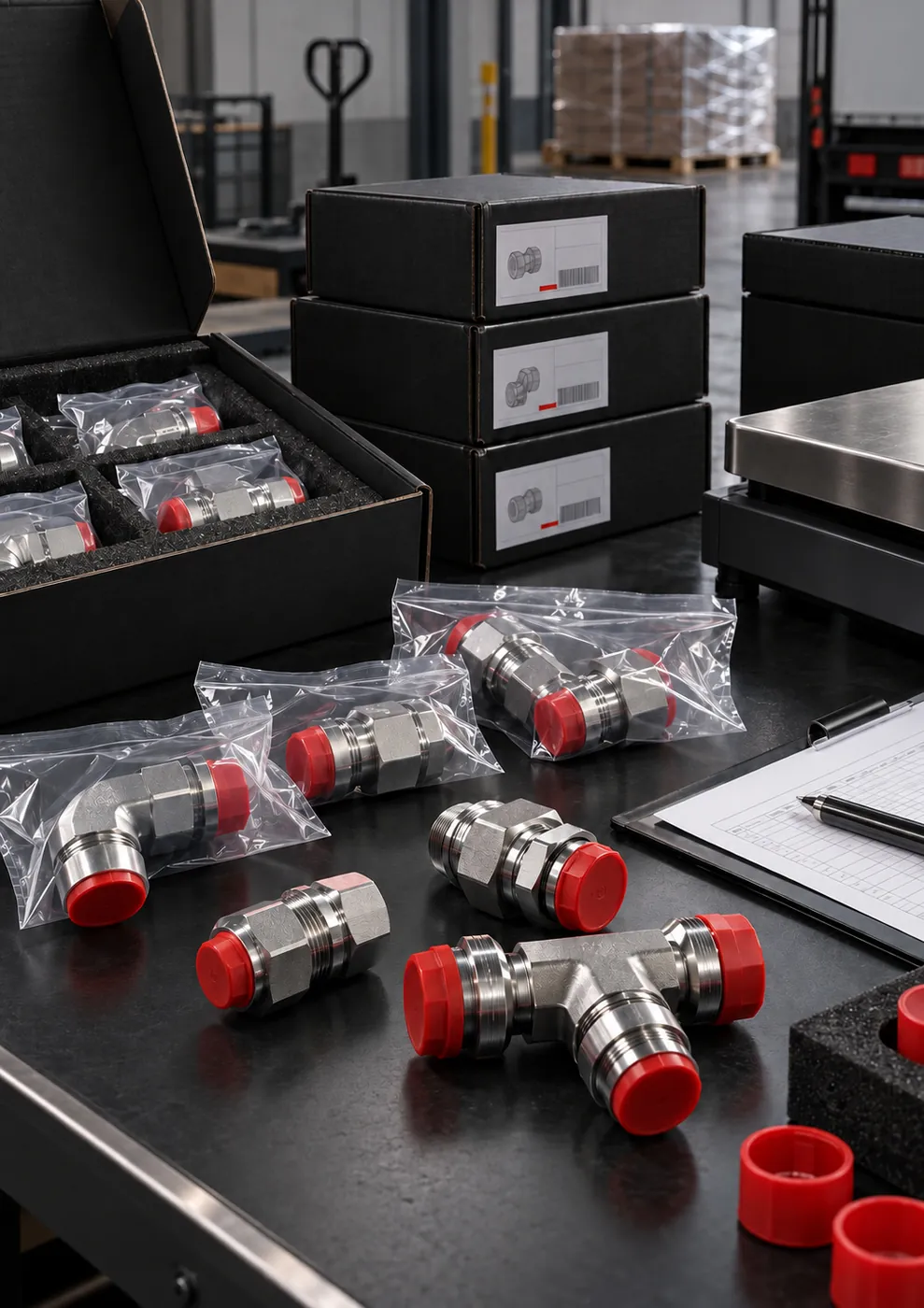
Stock items are prepared within an average of 1-3 business days, standard production within 5-10 business days, hose assemblies made to length within…
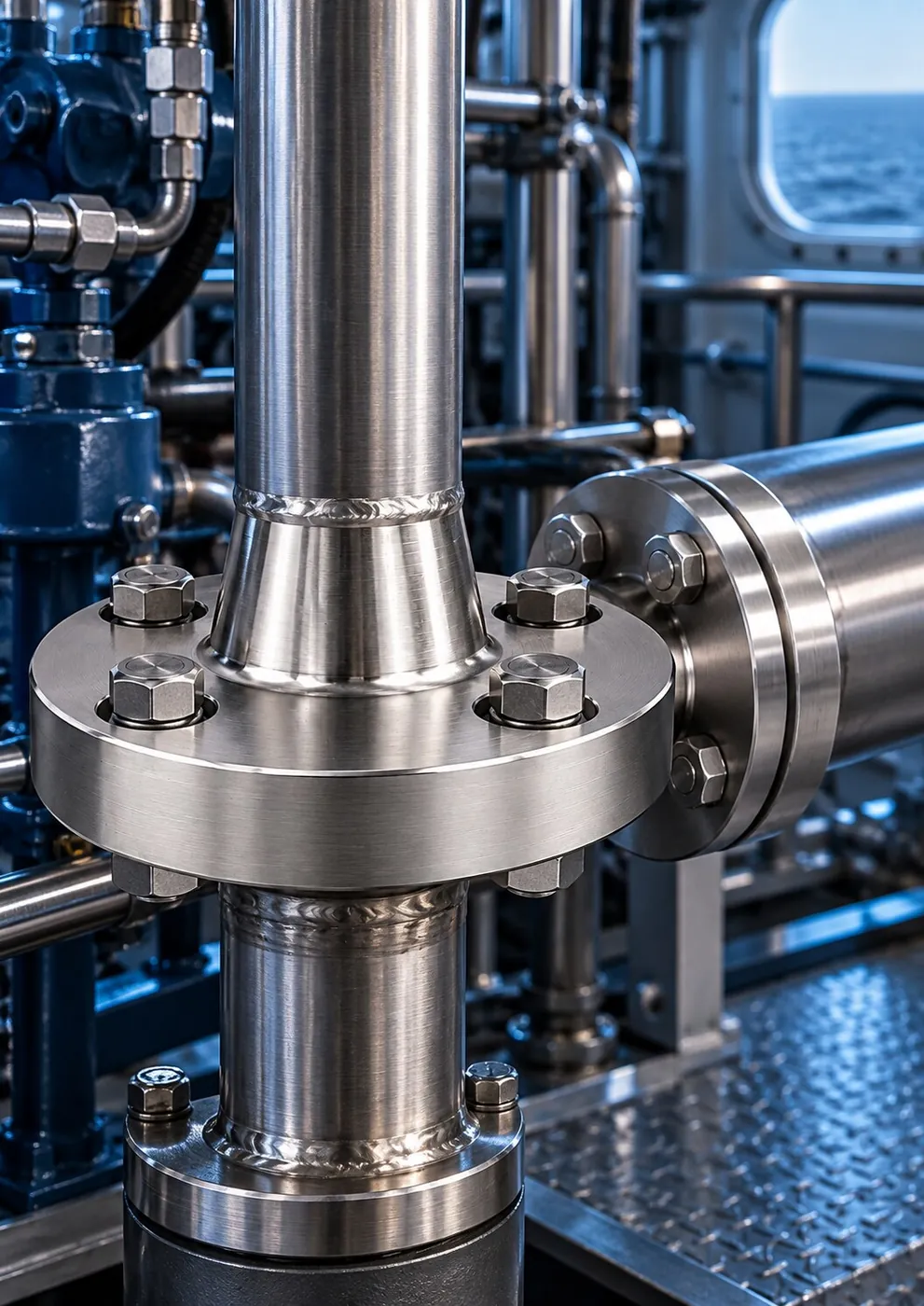
In saltwater environments, the baseline material is AISI 316L; its molybdenum content increases resistance to chloride-induced pitting and crevice…
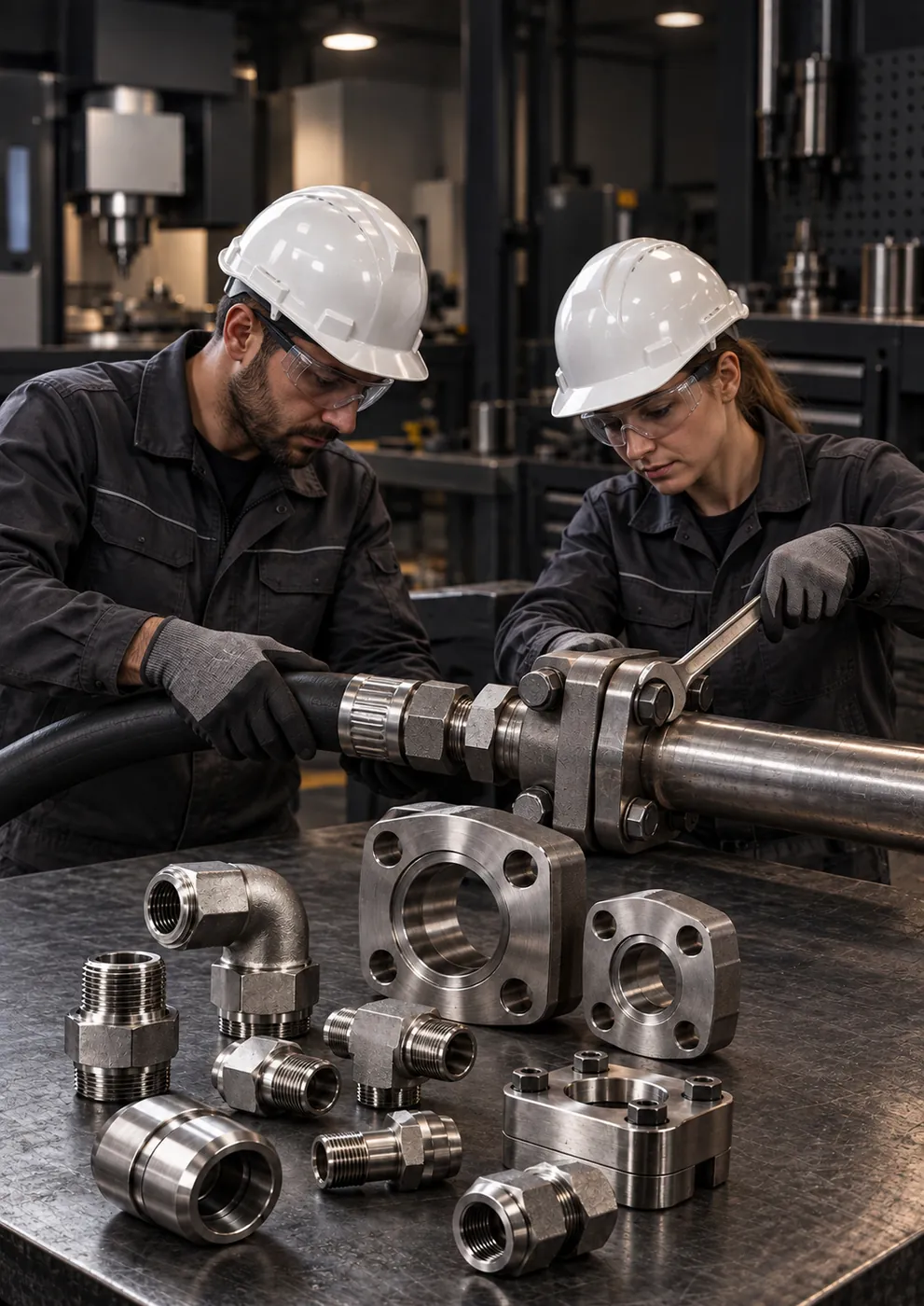
Hydraulic connections are sealed in four ways: O-ring, bonded seal (Dowty washer), metal cone face and tapered thread. On parallel threads, the seal…
Frequently asked questions
If your question isn't answered here, write to us and we'll pin down the size, thread standard and material together.
Send us your questionStandard sizes in stock are ready to ship within 1-3 business days on average. If you send us a photo of the part, its port size and the quantity by phone or WhatsApp, we will immediately separate the items that can be supplied from stock from those that require manufacturing. Standard items that require manufacturing are scheduled within 5-10 business days on average, and hose assemblies made up to length within 5-15 business days on average.
Yes. The thread standard, critical diameters, wrench flats and sealing type are measured from the sample; this information is confirmed in writing before production, and production begins after first article approval. For worn samples, the dimensions of the mating part may also be requested to establish the correct size.
Stainless steel pipe, elbows, tees, reducers, flanges, weld nipples and fittings can be quoted from the same bill of materials, and phased delivery can be planned to match the installation sequence. Items that require class approval or material certificates need to be stated separately in your quote request.
On open deck lines exposed to constant spray, carbon steel pipes and fittings have to be dealt with again at every maintenance period. On lines replaced with AISI 316L, the need for replacement due to external corrosion is largely eliminated. For a changeover that fits the existing dimensions, pipe outside diameter, wall thickness and the port types at the connection points are evaluated together.
The connection type and thread standard at each end (BSP, JIC/UNF, metric or SAE flange), the end angles (straight, 45°, 90°), overall hose length, hose inside diameter and working pressure are sufficient. If there are two angled ends, showing the orientation offset between them in a photo prevents mistakes.
316L contains a maximum of 0.03% carbon. This low carbon content limits chromium carbide precipitation in the heat-affected zone during welding and reduces the risk of intergranular corrosion. That is why 316L is the safer choice for pipes, nipples and flanges that will be welded.
Quote
Send your bill of materials, a photo of the removed part or the piping circuit drawing; we will tell you separately which items ship from stock and the manufacturing lead times for the rest.
Shipyards & Ship Repair request form
Other sectors