


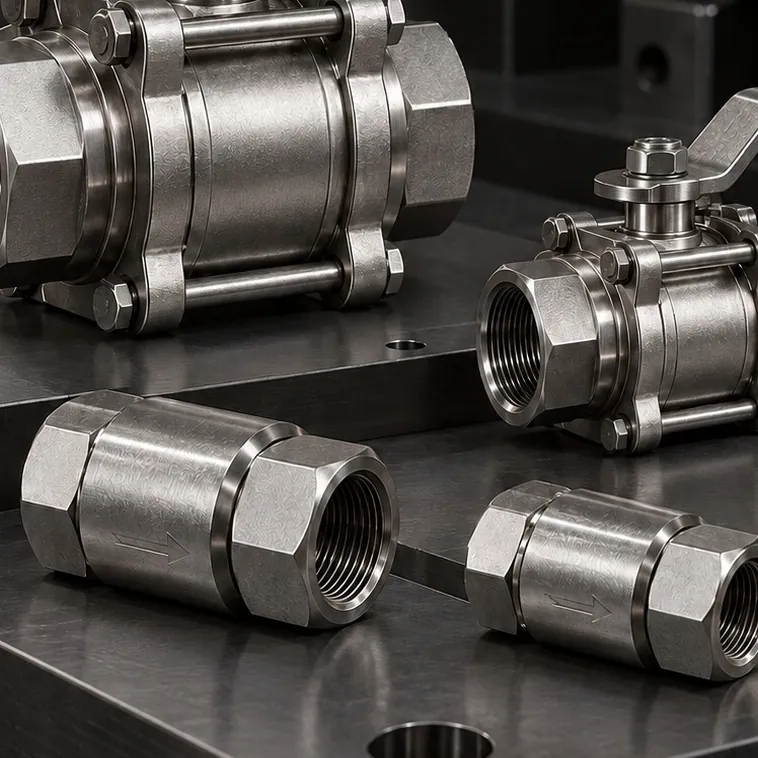
Ball, Needle & Check Valves
High-Pressure Stainless Ball Valve
High-pressure stainless steel ball valve with an AISI 316L body, providing quarter-turn on/off service in hydraulic and process…
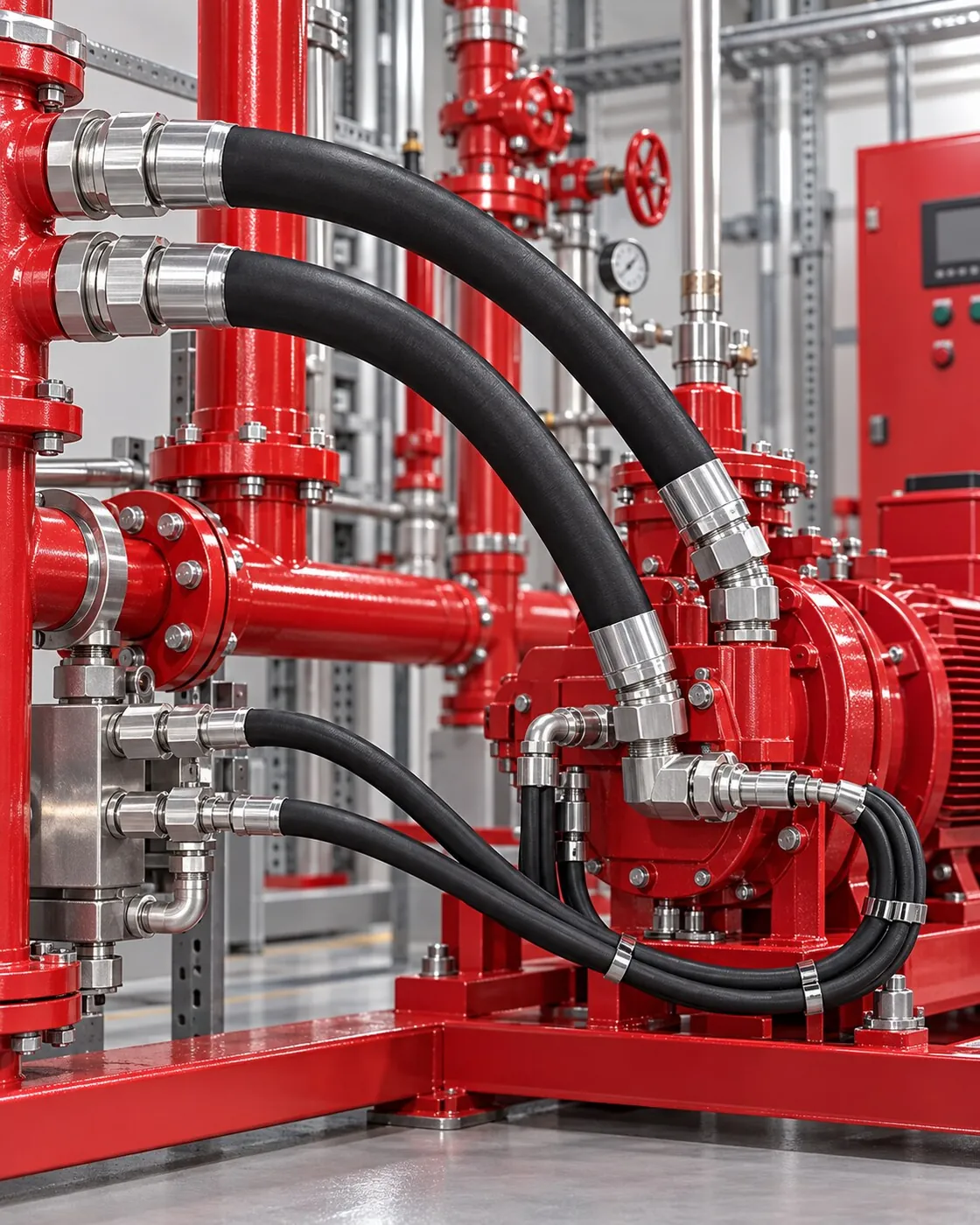
Pump sets · Control skids · Ease of service
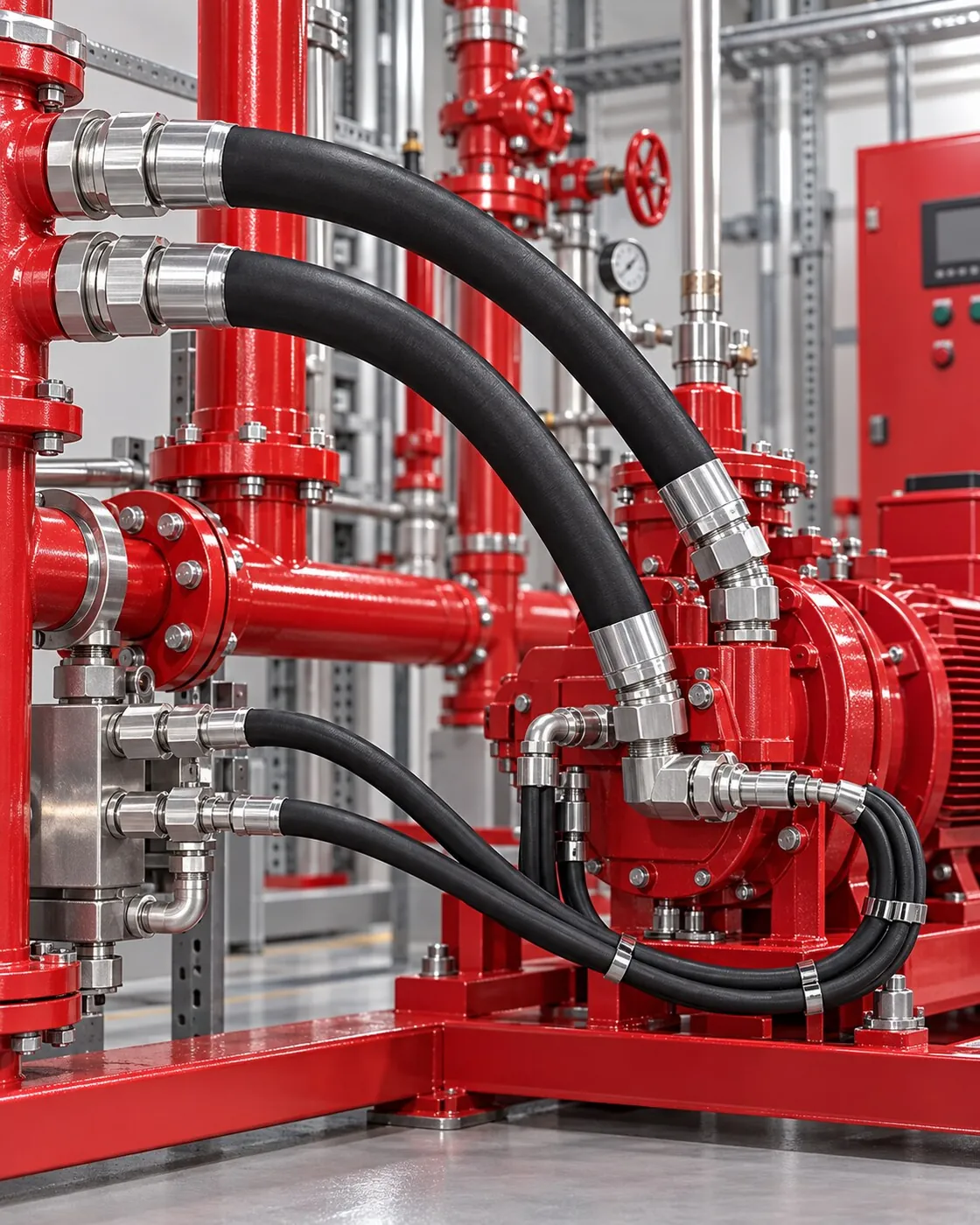
Neatly laid out, leak-tight stainless steel nipples, fittings, hose assemblies and flange connections that make servicing easier on fire pump sets, control skids and pressurized auxiliary lines.
Featured products in this sector
View all 15 productsProducts
15 products are listed for the operating conditions of Fire Suppression Systems. Narrow down by group; open a product page for sizes and thread standards.
Ball, Needle & Check Valves
High-pressure stainless steel ball valve with an AISI 316L body, providing quarter-turn on/off service in hydraulic and process…
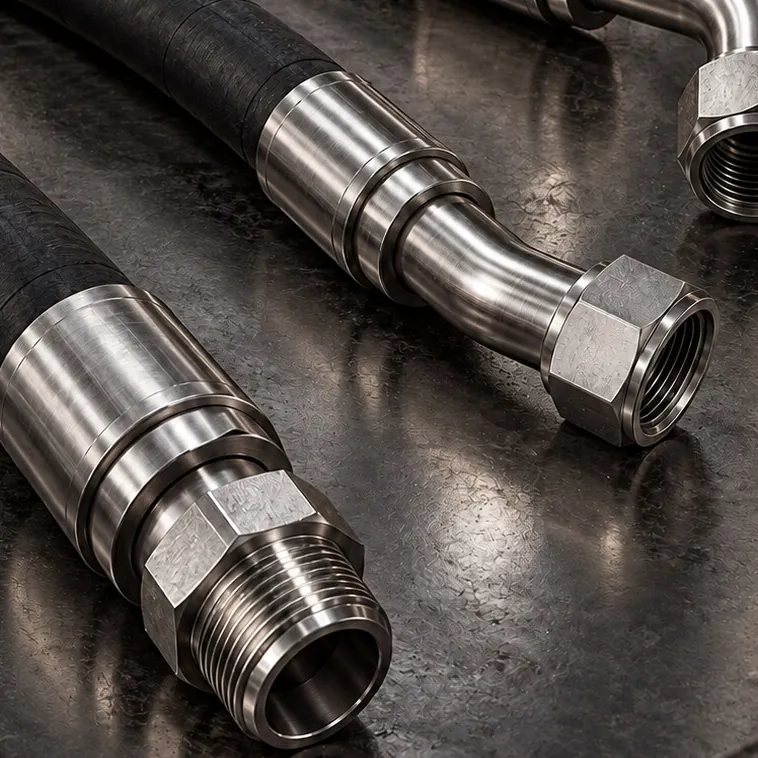
Hose Fittings & Ferrules
Stainless steel crimp-style 90° hose fitting with a female BSP swivel nut and 60° cone seat. Routes the hose at a right angle in…
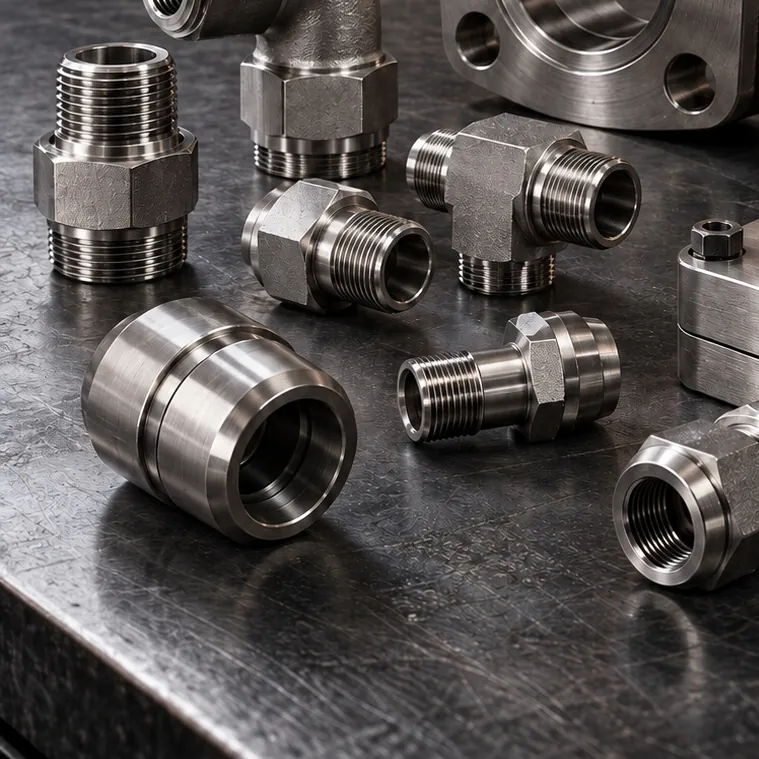
DIN 2353 Compression Fittings
Stainless steel 24° cone equal tee joining three tubes of the same diameter, used to branch off the main line. AISI 316L, DIN…
DIN 2353 Compression Fittings
Stainless steel tee with bite-type ends on the run and a male BSPT thread on the branch. Provides a direct take-off from the tube…
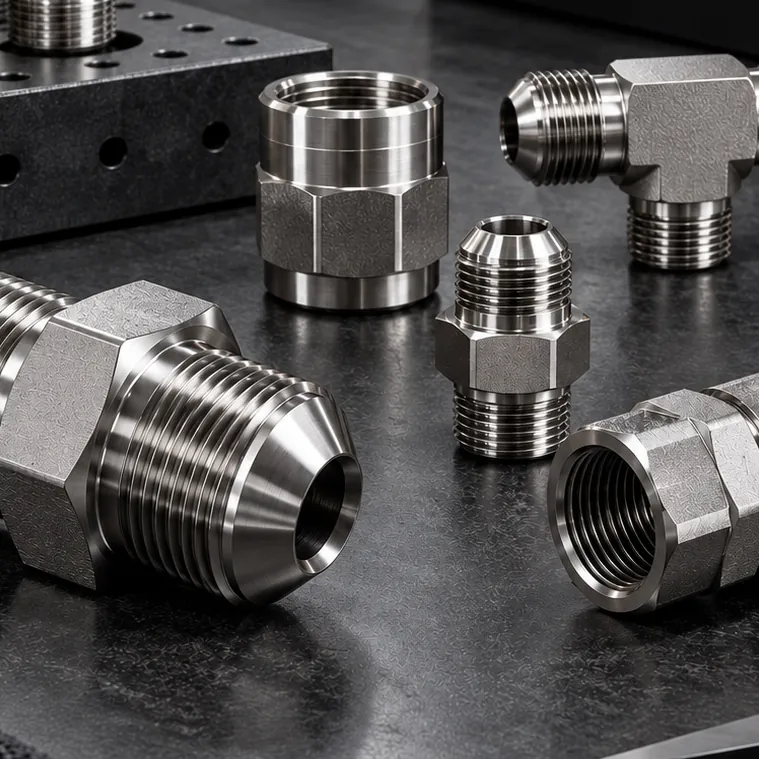
DIN 2353 Compression Fittings
Stainless steel 24° cone bulkhead coupling with locknut that routes a tube line through a panel, tank wall or ship bulkhead in a…
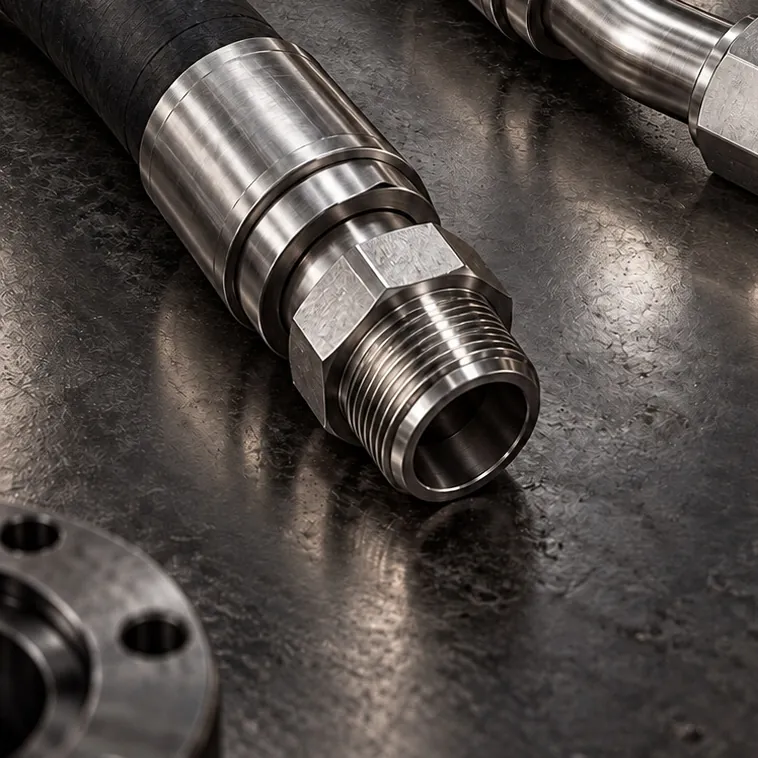
Hose Fittings & Ferrules
Stainless steel crimp ferrule for 2SN hydraulic hoses with two steel wire braids. Crimped together with the hose fitting to form…
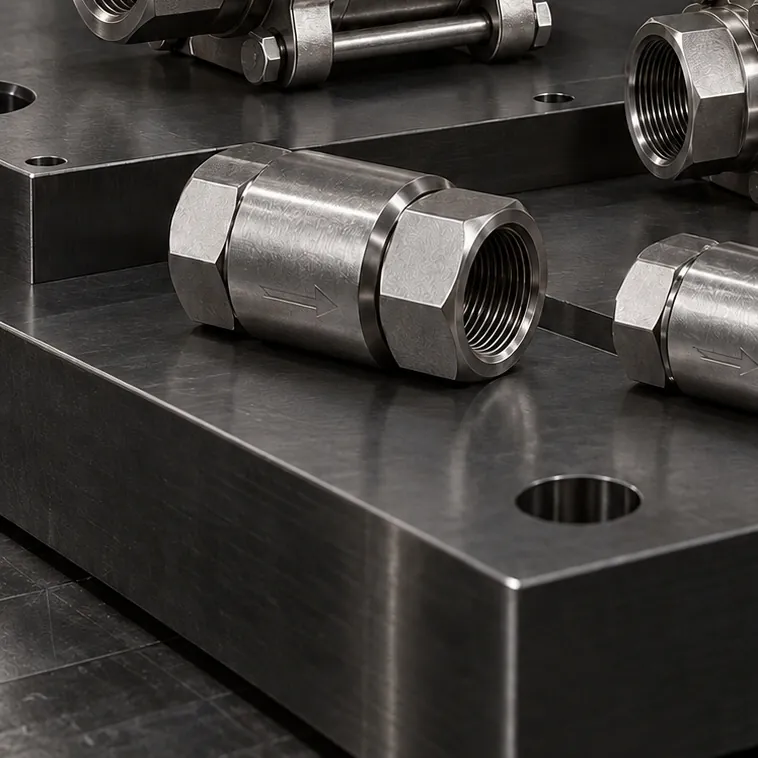
Ball, Needle & Check Valves
In-line stainless steel check valve that passes flow in one direction and stops reverse flow with a spring-loaded poppet. Female…
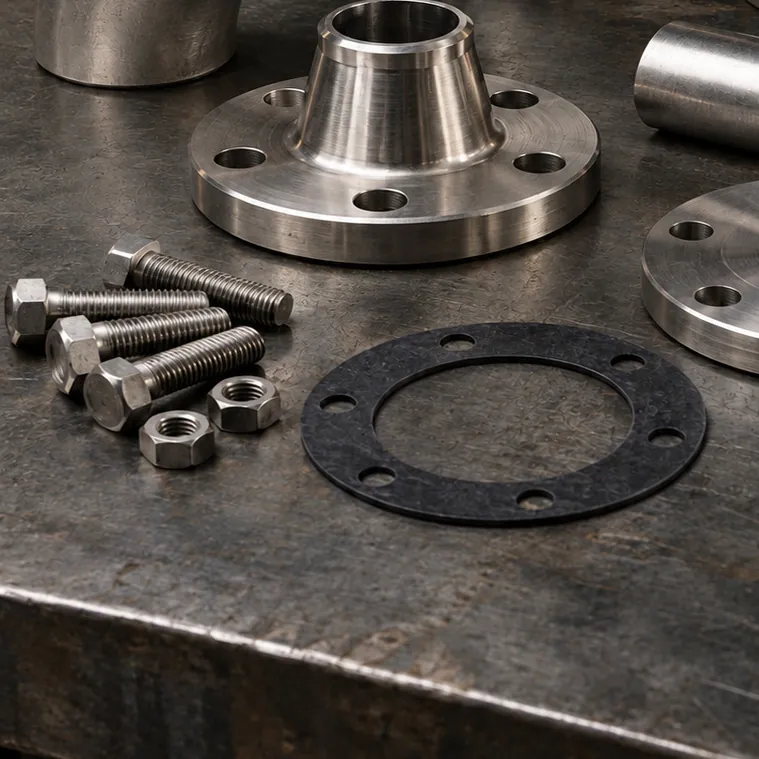
Stainless Steel Pipes & Flanges
Stainless steel flange with a tapered hub that is butt-welded to the pipe. For equipment connections and removable line breaks in…
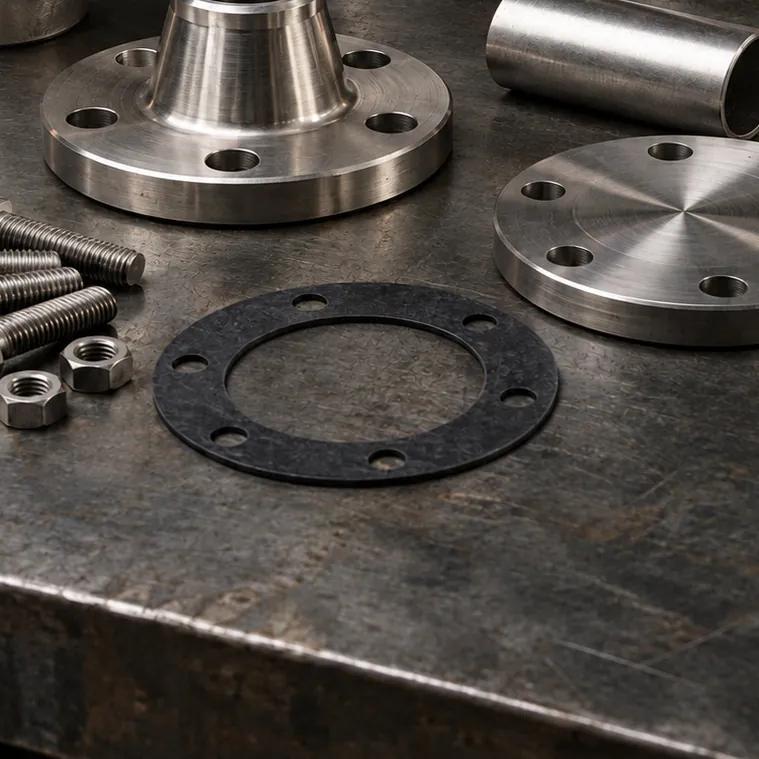
Stainless Steel Pipes & Flanges
Stainless steel blind flange that closes off the end of a pipeline or equipment outlet. For closing off lines, allowing for…
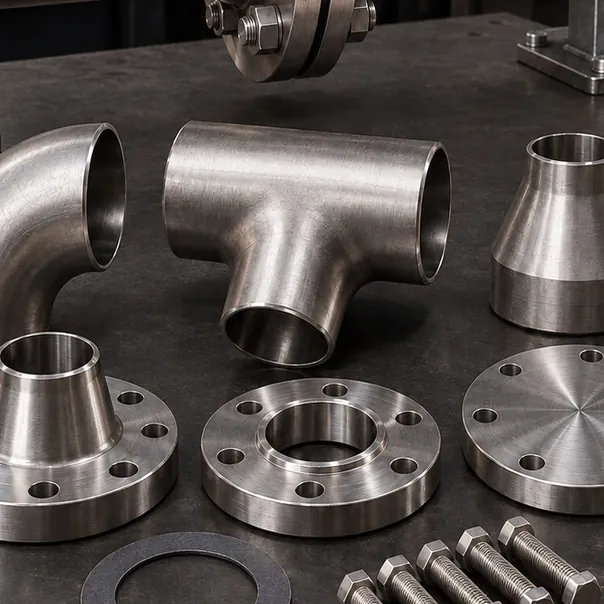
Butt-Weld Pipe Fittings
Butt-weld elbow for 90° changes of direction in welded stainless steel piping. Long (1.5D) and short (1D) radius; Schedule wall…
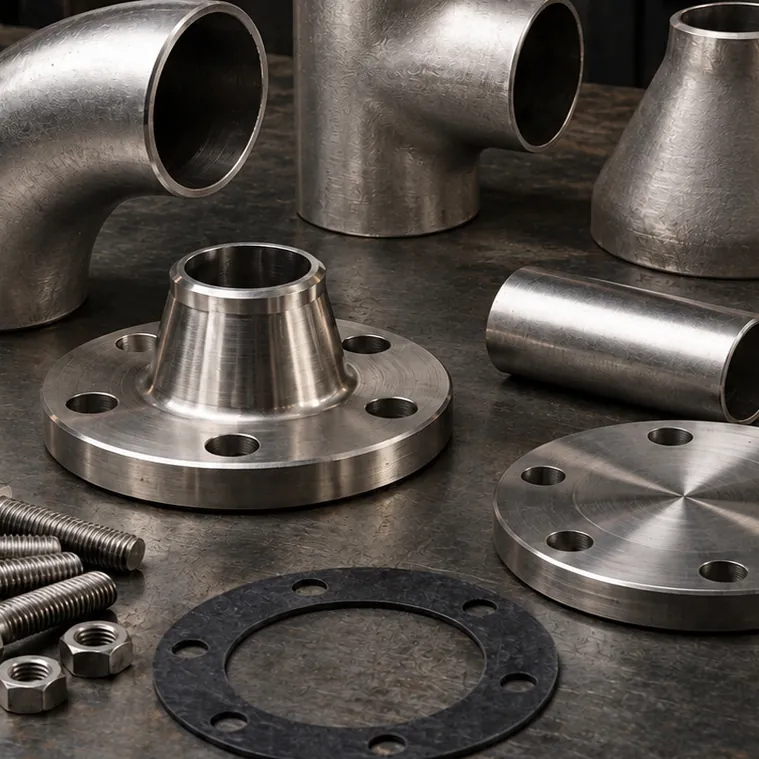
Butt-Weld Pipe Fittings
Butt-weld equal tee for same-size branch connections in welded stainless steel piping. AISI 316/316L for header, distribution and…
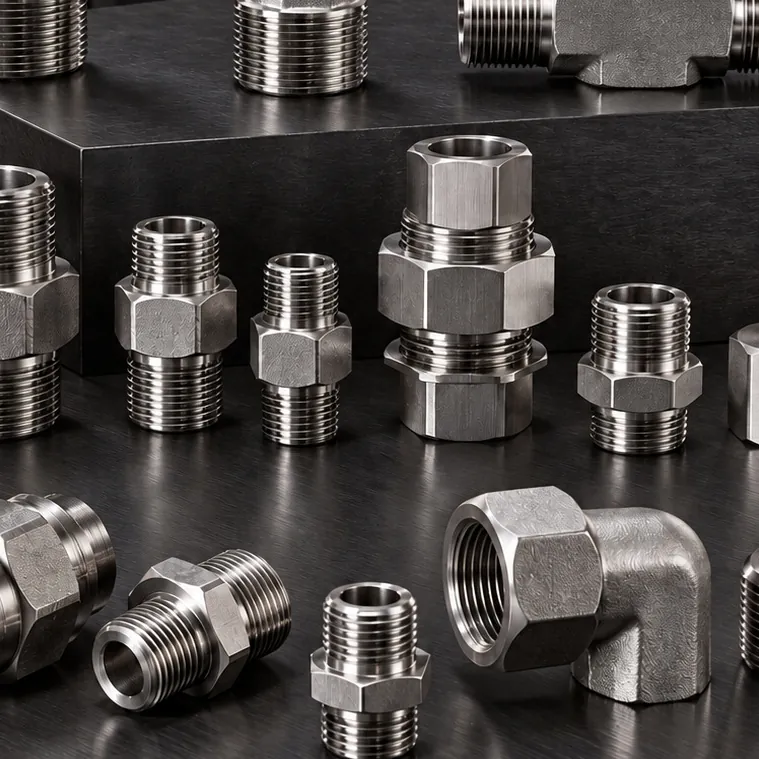
BSP / NPT Adapters & Nipples
Stainless steel conversion adapter with a BSP male thread on one end and an NPT male thread on the other. Connects equipment…
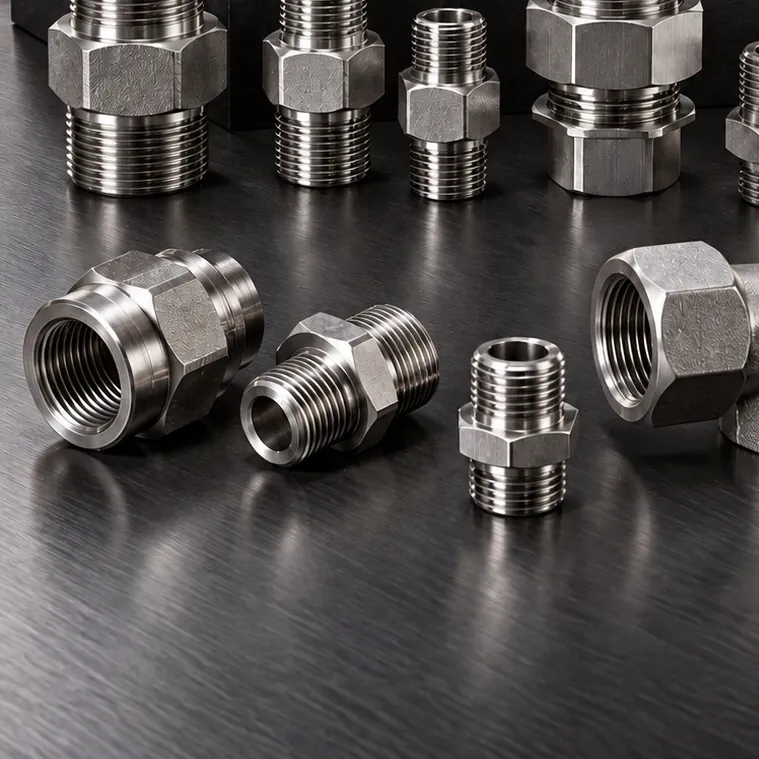
BSP / NPT Adapters & Nipples
Hex-body stainless steel reducing bushing with a male NPT tapered thread outside and a female NPT tapered thread inside. Steps…
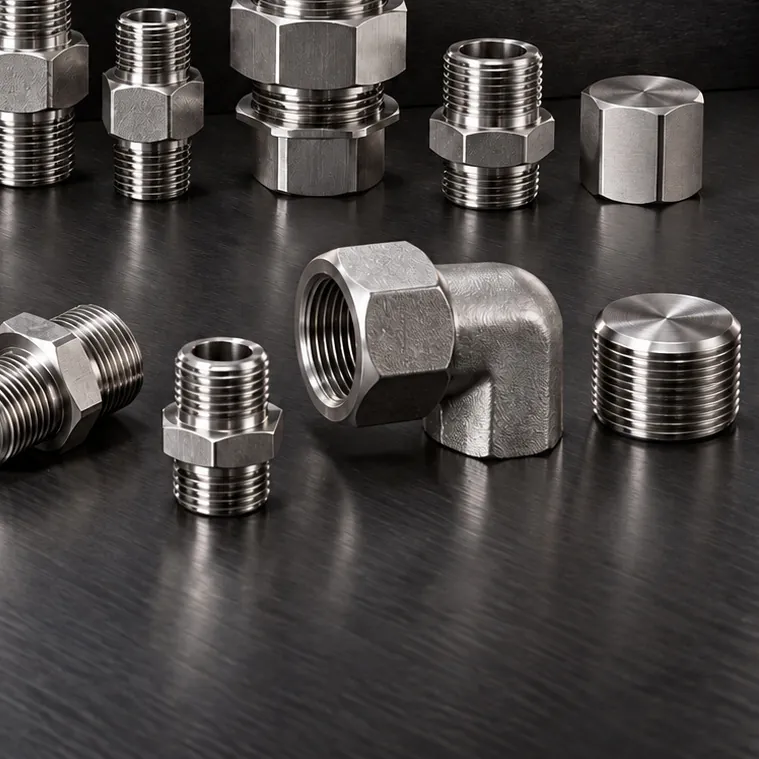
BSP / NPT Adapters & Nipples
Stainless steel hex head plug with a BSPT tapered thread for closing unused female ports and threaded line ends. AISI 316L.
BSP / NPT Adapters & Nipples
Straight hex-body stainless steel nipple with BSPT tapered male threads on both ends. Connects two female ports, valves or…
Can't find your part in the list?
Send a sample photo, technical drawing or dimensions; we'll identify the right fitting from our catalog or through custom manufacturing.
Faik Güney · Contact person
Services
Beyond supplying parts, we complete the job in the field with piping, hose assembly, custom manufacturing and technical identification.
Welded and demountable stainless steel lines built from AISI 316/316L pipe, flanges and fittings: bevel preparation…
View service – Stainless Steel Pipe FabricationHydraulic hose assembly and crimping: hose assemblies with straight, 45° and 90° stainless steel ends in BSP, JIC, NPT…
View service – Hydraulic Hose AssembliesSelection of AISI 316L-body ball valves, needle valves and check valves by body, connection standard, bore size…
View service – Valves, Check Valves & Flow ControlAISI 316/316L tube with twin-ferrule union, elbow, tee, connector and adapter fittings for small-bore measurement…
View service – Instrumentation TubingStandard stainless steel fittings, adapters, hose ends, flanges and valves ready to ship within an average of 1-3…
View service – Fast Supply & Shutdown SupportWhere a standard product is not the answer: custom adapters, nipples, flange blocks and transition parts made from a…
View service – Custom Parts from Drawings & SamplesOrderly, labeled and service-friendly connections with stainless steel tube and fittings on control panels, power units…
View service – Control Panel & HPU TubingIdentifying BSP, NPT, UNF/JIC and metric threads by measurement, matching them correctly to the mating part, and…
View service – Fitting & Thread IdentificationOverview
Quick answer
Fire suppression systems use stainless steel nipples, fittings, hose assemblies and flange connections on pump sets, control skids and pressurized auxiliary lines. Sizes are selected according to the pump outlet, line size, thread standard and working pressure. For main components that require approval or listing, the project specification governs; stainless steel fittings reduce corrosion and seized connections, especially on lines that remain on standby for long periods.
A fire protection system is one of the rare installations that must sit on standby for years and then work flawlessly at a single moment. During this standby period, moisture, stagnant water and periodic test cycles quietly wear down the connections; a rusted pressure sensing line or a nipple with seized threads can cause problems on test day or in a real fire. Pump sets, control skids and pressurized auxiliary lines call for neatly laid out, leak-tight connections that make servicing easier.
GÜNEYSS supplies stainless steel nipples, fittings, hose assemblies, ball valves, check valves and flange connections to fire pump set and skid manufacturers, fire protection contractors and facility maintenance teams. Standard items in stock are prepared within an average of 1-3 business days, and hose assemblies and custom parts with predefined dimensions within an average of 5-15 business days.
Field conditions
We select fittings for these conditions and specify the material, sealing type and installation method accordingly.
Describe your own conditionsThe system sits filled with stagnant water for years; internal corrosion in carbon steel fittings narrows the bore.
Blockages in pressure sensing and trim lines can affect whether the pump starts at the right moment.
Fittings at test and drain points are frequently removed, wearing threads and seal faces.
When vibration is transmitted to fixed piping, fittings loosen and can crack.
Main components are subject to approval requirements; how auxiliary fittings relate to these must be clarified at the start of the project.
Technical selection notes
Points we clarify with you before ordering for Fire Suppression Systems applications.
The port type and size of the pump outlet determine whether a flanged or threaded connection is used.
Stainless steel tubing and fittings on pressure sensing, gauge and trim lines reduce the risk of blockage.
On diesel pump sets, a flexible hose connection protects the fixed piping from vibration.
Pressure gauge and pressure switch points should have a valve that allows replacement without draining the system.
Whether an item carries an approval or listing requirement should be stated at the quotation stage.
Detailed guide
Most of a fire protection installation sits filled with stagnant water under system pressure. In carbon steel and galvanized fittings, internal corrosion can narrow the bore and cause blockages in small-bore lines. This risk is particularly critical in small-bore circuits such as pressure sensing lines, pressure gauge connections and trim lines: a blocked sensing line can prevent the pump from starting at the right moment. AISI 316/316L stainless steel fittings greatly reduce both internal and external corrosion and remain removable during maintenance years later.
In systems running on foam concentrates and seawater, choosing stainless steel becomes even more important, as these fluids accelerate corrosion in carbon steel. In seawater-fed marine, port and offshore fire systems, however, it should be remembered that 316L is also susceptible to crevice corrosion in stagnant seawater; flushing the lines with fresh water after use and testing is an important long-term maintenance step.
On diesel-driven fire pumps, the engine itself requires a number of auxiliary lines: the cooling line that cools the engine with water taken from the pump discharge, fuel supply and return lines, and oil and gauge connections. The connections between the strainer, valves and pressure-reducing components on the cooling line are among the points most prone to corrosion due to stagnant water. On fuel lines, vibration and sealing are the priorities; using a flexible hose between the engine and the fixed tank connection is common practice. The design requirements for these circuits are also determined by the standard adopted for the project.
Main components such as fire pumps, controllers, alarm valves and deluge valves are subject to approved or listed product requirements on most projects, and design follows the applicable fire protection standard. For these components, the project specification and the designer's approval govern. GÜNEYSS focuses on the auxiliary lines, in-skid connections, hose assemblies and custom adapter parts that connect these components to each other and to the installation. Stating at the quotation stage whether an item carries an approval requirement ensures that the right product is discussed from the start.
| Selection input | What it determines |
|---|---|
| Pump outlet and port type | Flanged or threaded connection, nipple and adapter size |
| Line size | Fitting, valve and hose inside diameter |
| Thread standard | BSP, NPT or metric, depending on the equipment's origin |
| Working pressure | Fitting body type, hose reinforcement and flange class |
In pump set and skid manufacturing, sourcing same-size fittings from a single supplier and to the same standard reduces mix-ups during assembly and field revisions. Once a fitting list tied to the skid drawing is established, every new order is prepared from that same list; non-standard adapter parts are dimensioned the first time and then produced to the same dimensions for subsequent skids.
Fire protection systems are tested and serviced at regular intervals. It is important to lay out the connections so that this work is made easier:
Standard items are typically ready to ship within 1-3 business days, depending on stock availability. Hose assemblies and custom parts whose dimensions are predefined in the skid fitting list are scheduled within an average of 5-15 business days, while custom-size and project manufacturing produced for the first time from a technical drawing or sample is scheduled within an average of 10-20 business days after technical approval. For skid manufacturers' series requirements, same-size fittings are packed separately by order group, with threads and ports sealed by protective caps. On new facility projects, if the pump room fitting list is drawn up after the pump and skid selection has been finalized, sizes can be determined correctly in one go.
Applications
Teams in Fire Suppression Systems that need fittings, hose assemblies and custom parts.
Auxiliary connections, test and circulation lines on electric and diesel pump sets.
Trim lines, pressure gauge and drain connections on alarm, deluge and foam proportioner assemblies.
Standard kits and custom adapter parts for pump room and skid connections during field installation.
Nipples, hose assemblies and valve connections replaced during periodic testing and maintenance.
Stainless steel lines between the foam concentrate tank, pump and proportioner.
Connections on fire pumps and distribution lines operating in saltwater environments.
Gallery
Fire pump skid and hose connections (illustrative image)
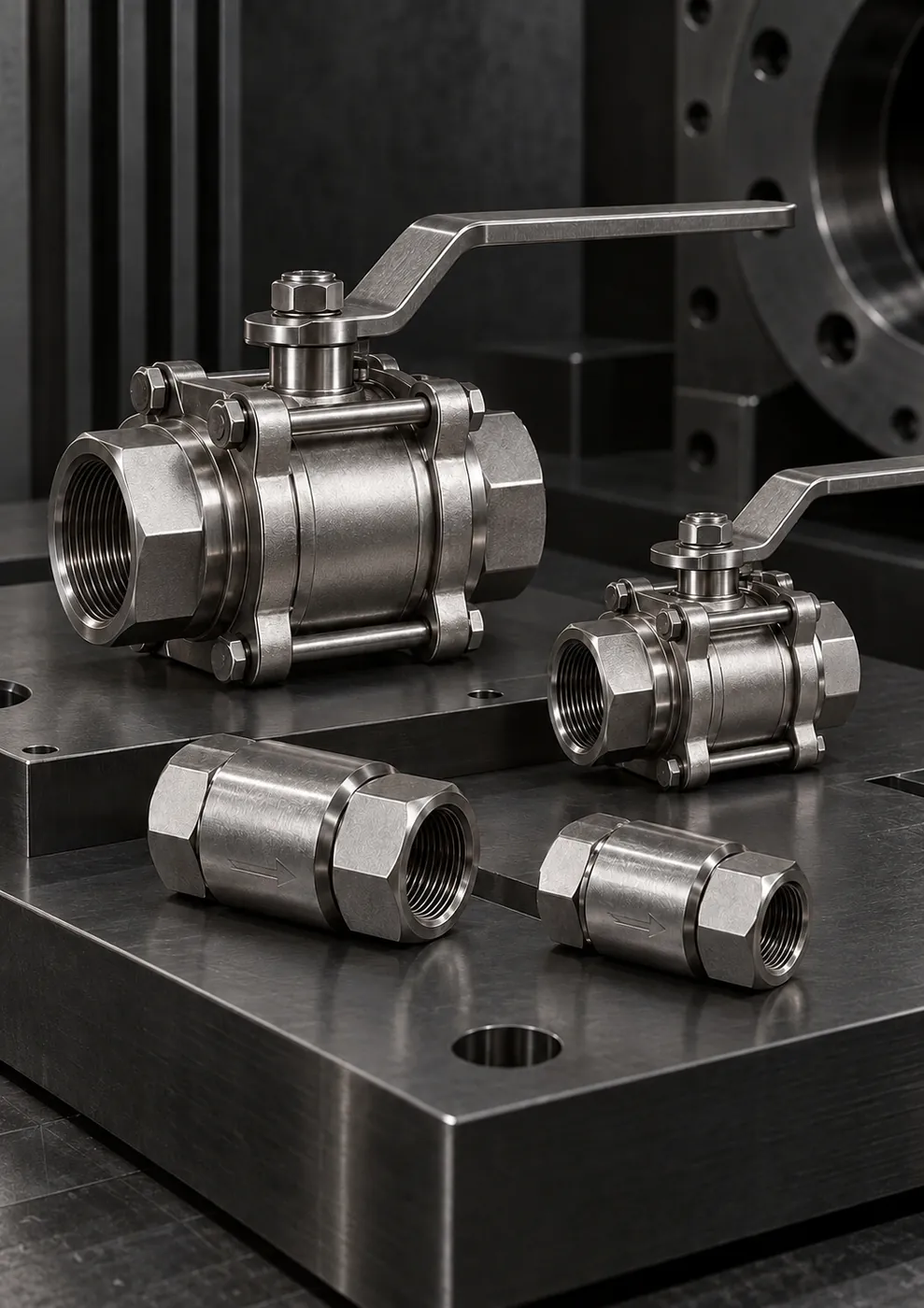 Stainless steel ball valves and check valves (illustrative image)
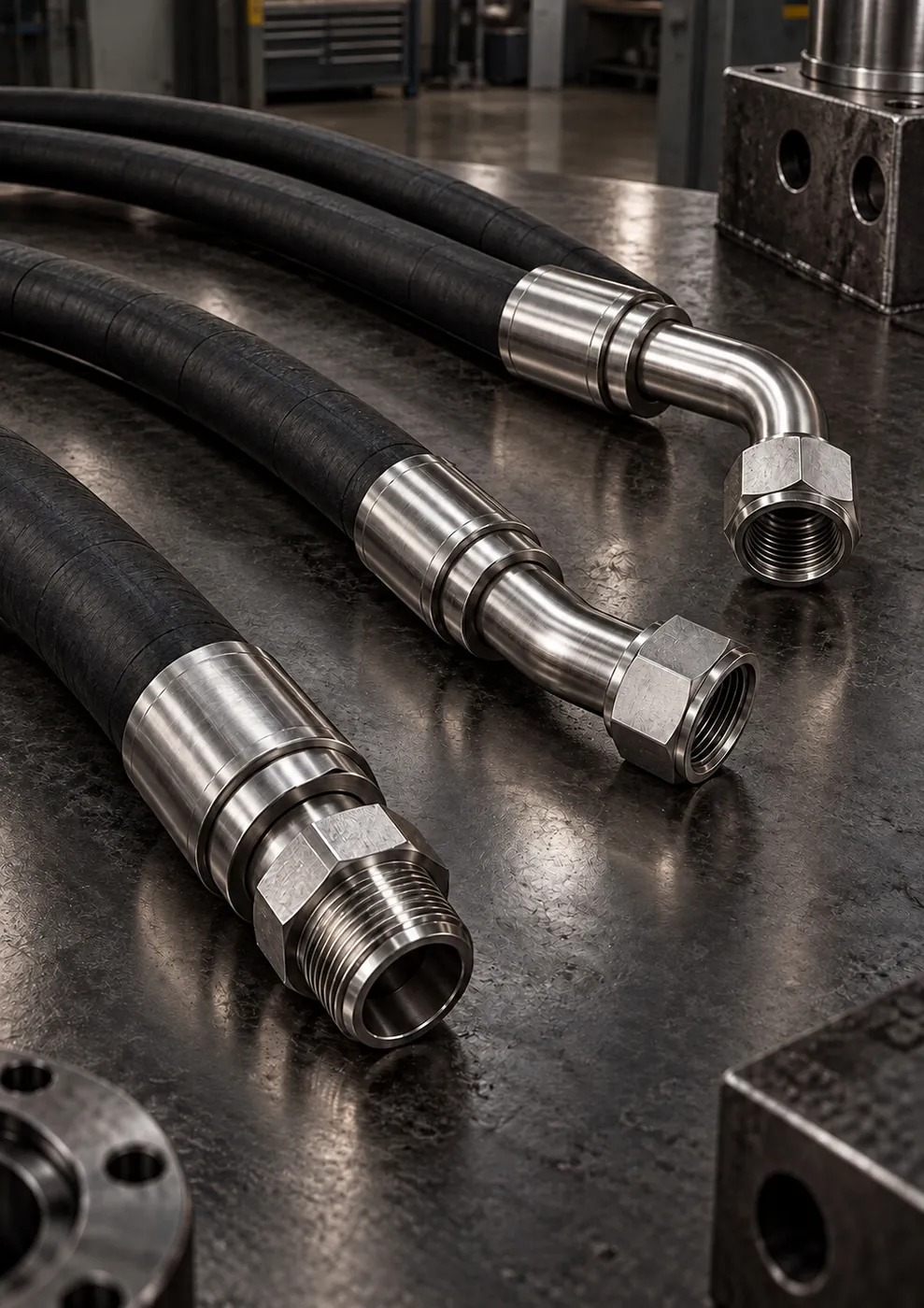 Hose assemblies with stainless steel ends (illustrative image)
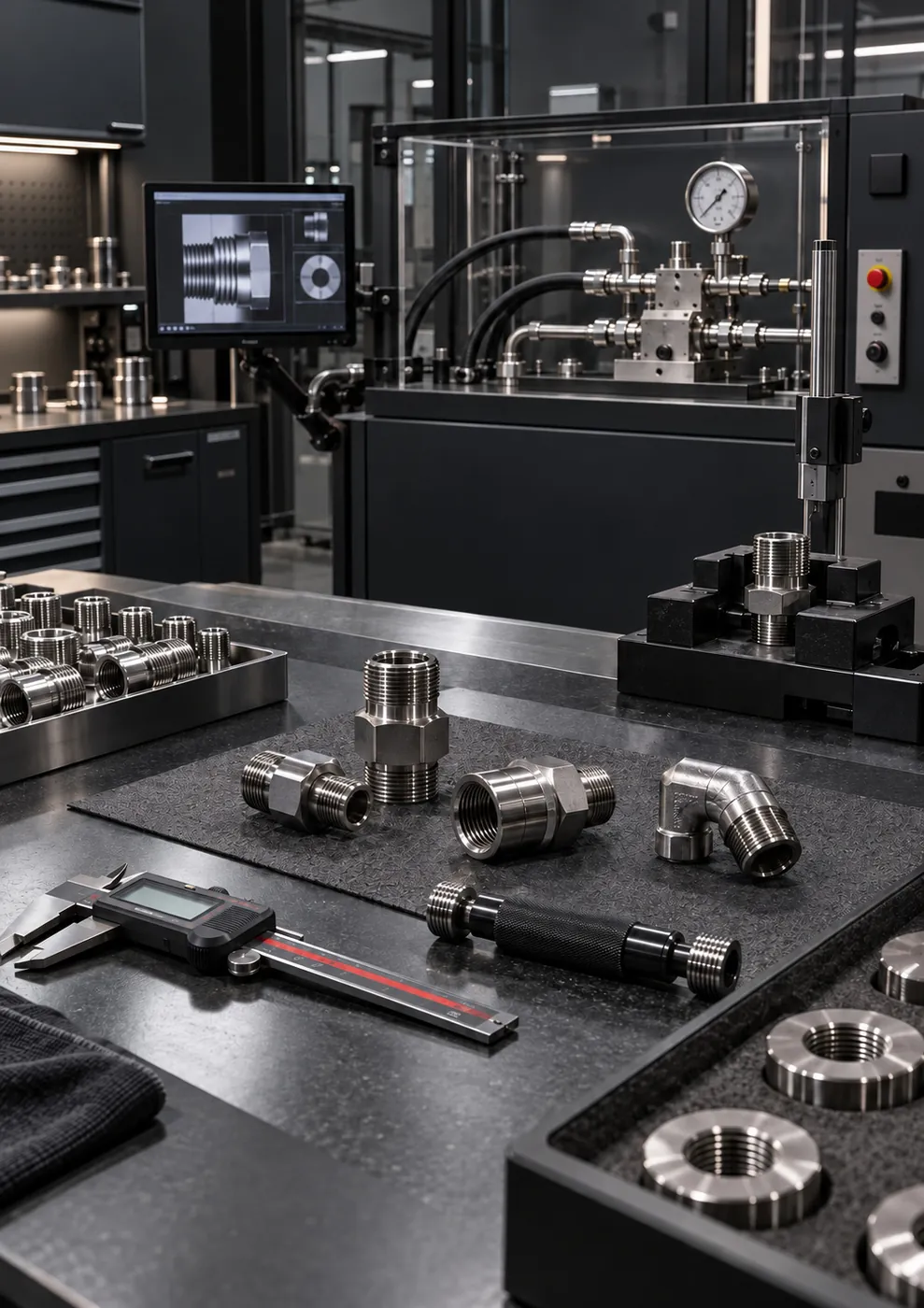 Control and test panel with pressure gauges (illustrative image)
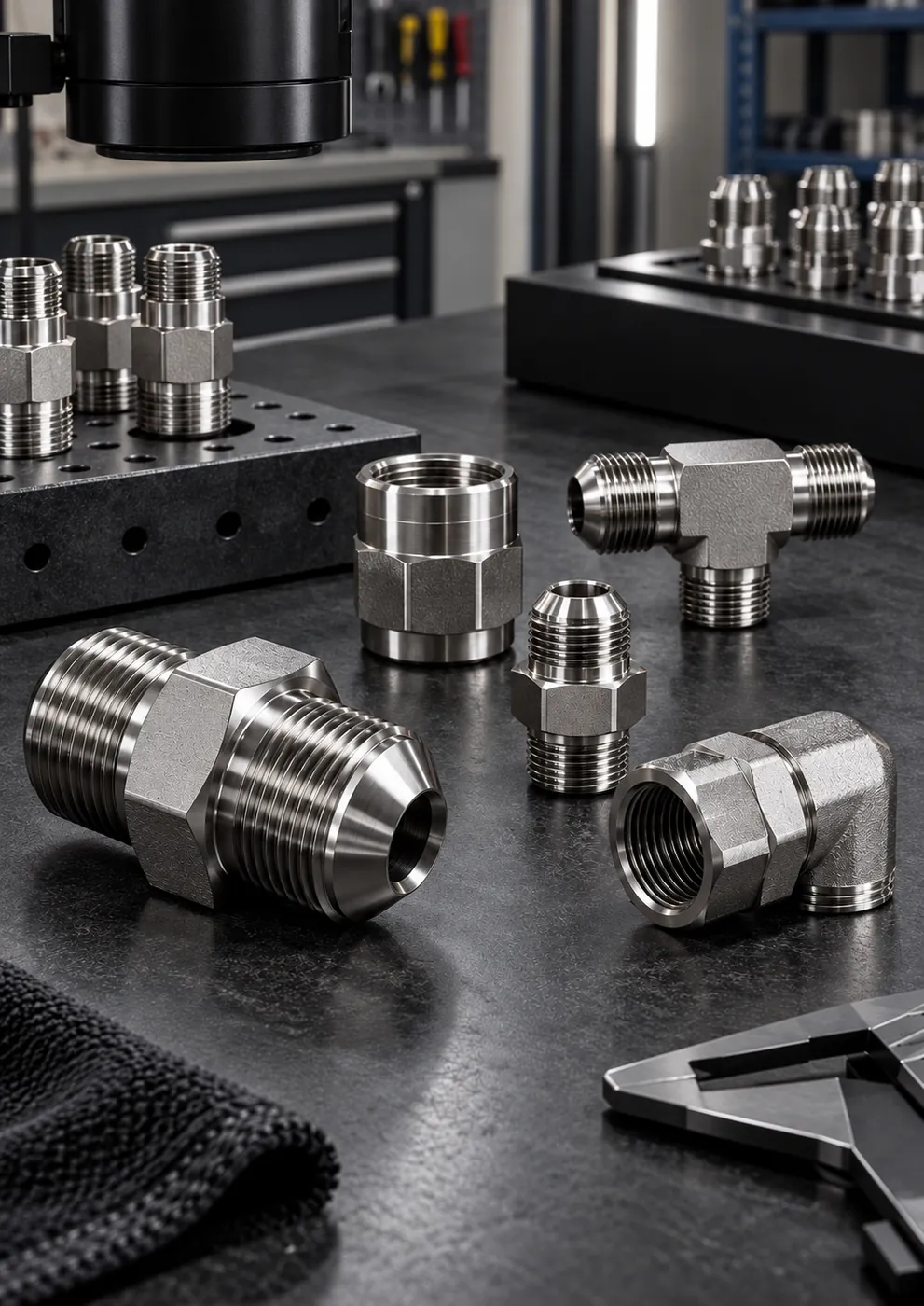 Assorted stainless steel nipples and fittings (illustrative image)
Knowledge Center
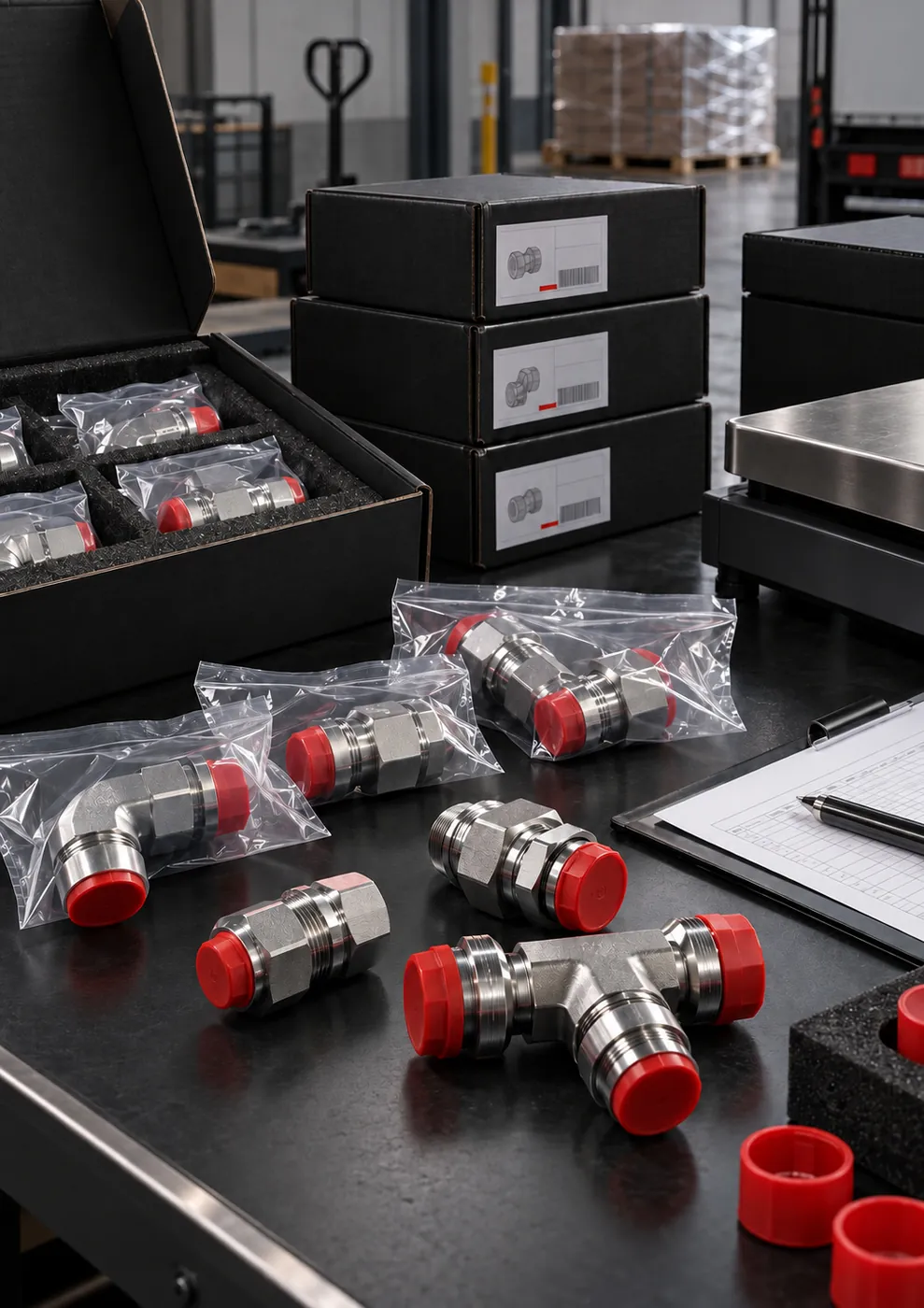
Stock items are prepared within an average of 1-3 business days, standard production within 5-10 business days, hose assemblies made to length within…
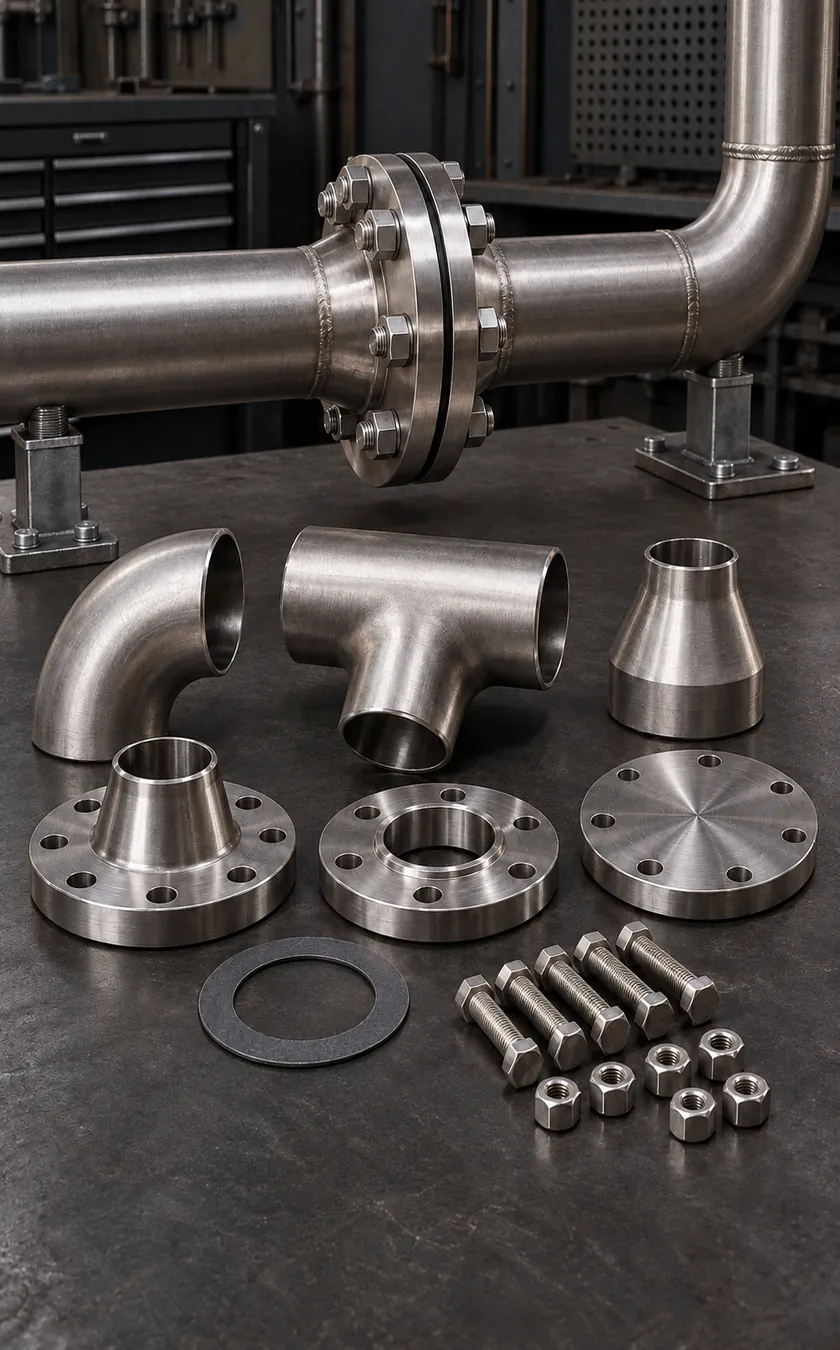
On a stainless steel pipeline, fittings and flanges are selected by matching them to the pipe's DN/NPS size and Schedule wall thickness. Weld neck…
The right hose assembly is defined by seven pieces of information: inside diameter and length, temperature, application conditions, fluid, working…
Frequently asked questions
If your question isn't answered here, write to us and we'll pin down the size, thread standard and material together.
Send us your questionOn small-bore lines such as pressure sensing lines, stainless steel tubing and fittings are frequently preferred because they reduce the risk of blockage from internal corrosion. The material and design requirements of the line are determined by the fire protection standard adopted for the project and the designer's approval. If you share the size and port details, we will prepare suitable fittings.
Main components such as fire pumps, controllers and alarm valves are subject to approved or listed product requirements on most projects; for these components, the project specification governs. Our focus is on the auxiliary lines, in-skid connections, hose assemblies and custom adapter parts that connect these components to each other and to the installation. If an item carries an approval requirement, please state it at the quotation stage.
Hose assemblies crimped to length are prepared within an average of 5-15 business days, while standard items in stock are typically ready to ship within 1-3 business days. The process is faster when end types, angles, length and working pressure are provided in full.
When diesel engine vibration is transmitted to fixed piping, fittings can loosen and cracking may occur. Using flexible hose connections on the engine auxiliary circuits and at suitable points isolates the vibration from the fixed piping. Attention should be paid to bend radius and twisting along the hose route.
Yes. Same-size fittings are prepared to a single standard and packed separately by order group, with threads and ports sealed by protective caps. If you share your series requirements and delivery schedule, we will set up the stock and production plan accordingly.
Foam concentrates can accelerate corrosion in carbon steel, which is why stainless steel fittings are widely preferred. The type of concentrate used and its manufacturer's material recommendation should be evaluated together with seal selection.
Quote
Send us the pump outlet size, line sizes, thread standard and working pressure; we'll give you stock and manufacturing lead times item by item.
Fire Suppression Systems request form
Other sectors