


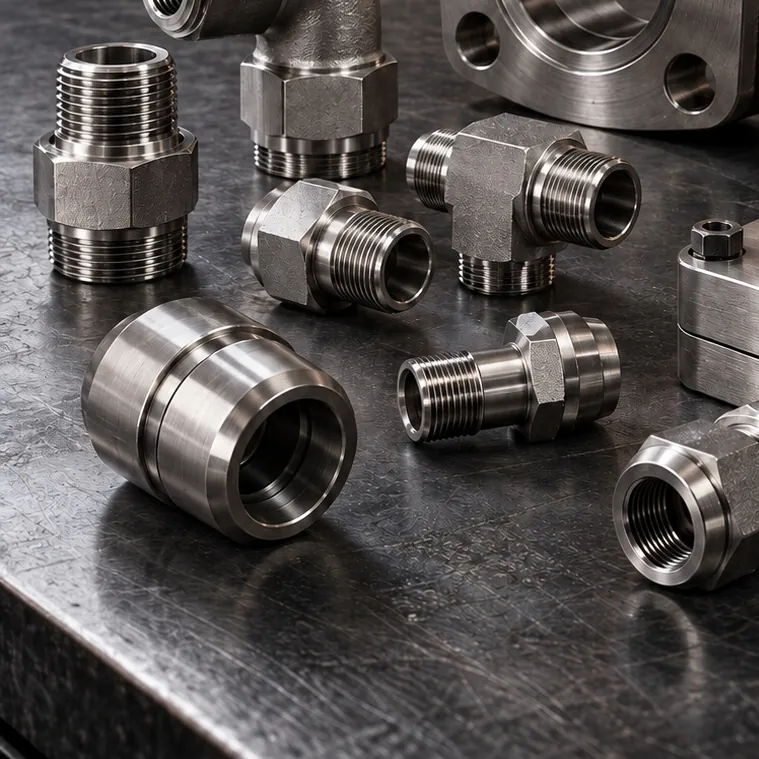
 Weld Nipples & Weld Fittings
Weld Nipple Coupling Set
Details & quote
Stainless Steel Hydraulic Fittings
Weld nipple sets, 24° weld nipples with O-ring, weld-in bulkhead couplings and weld elbows; they add a removable connection to a welded line.
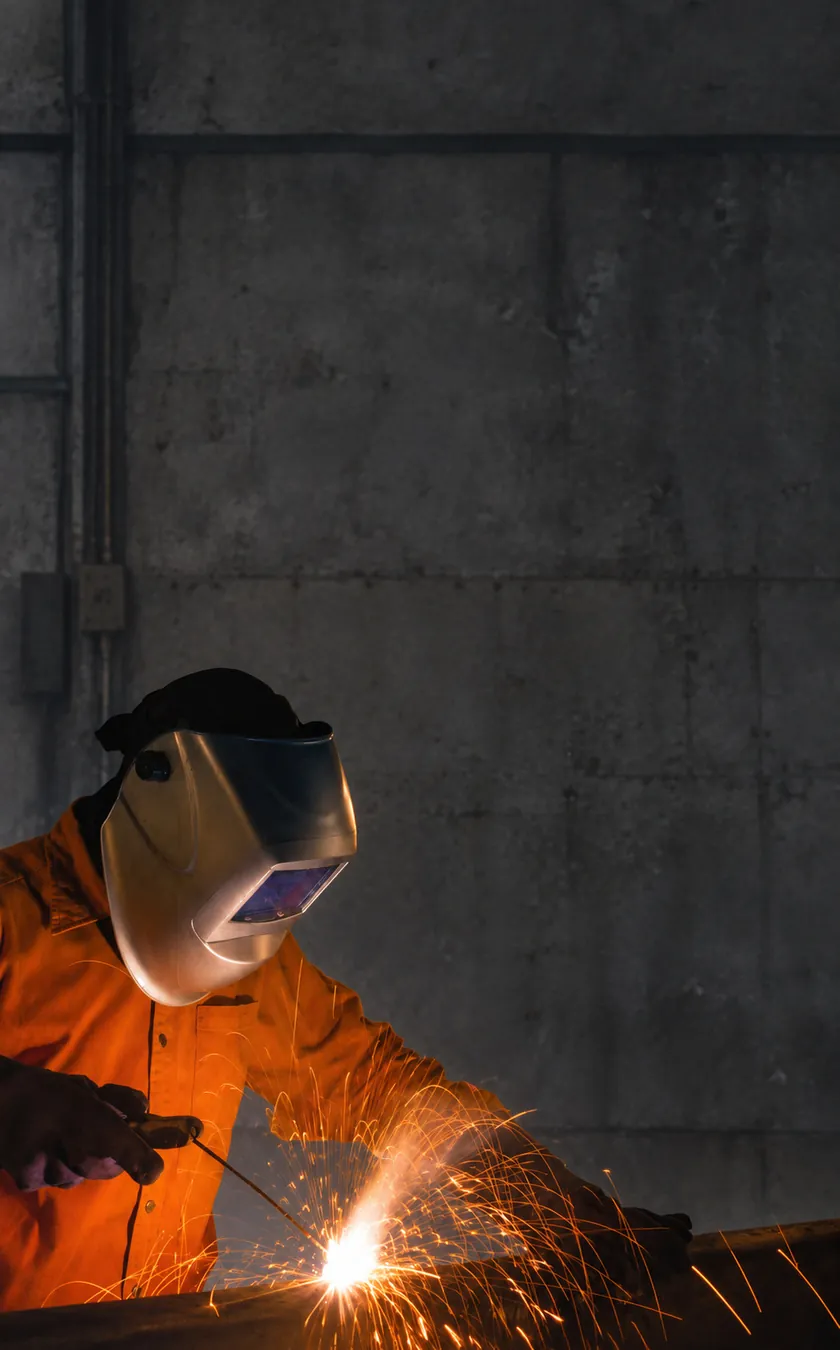 Weld Nipples & Weld Fittings Weld Nipples & Weld Fittings
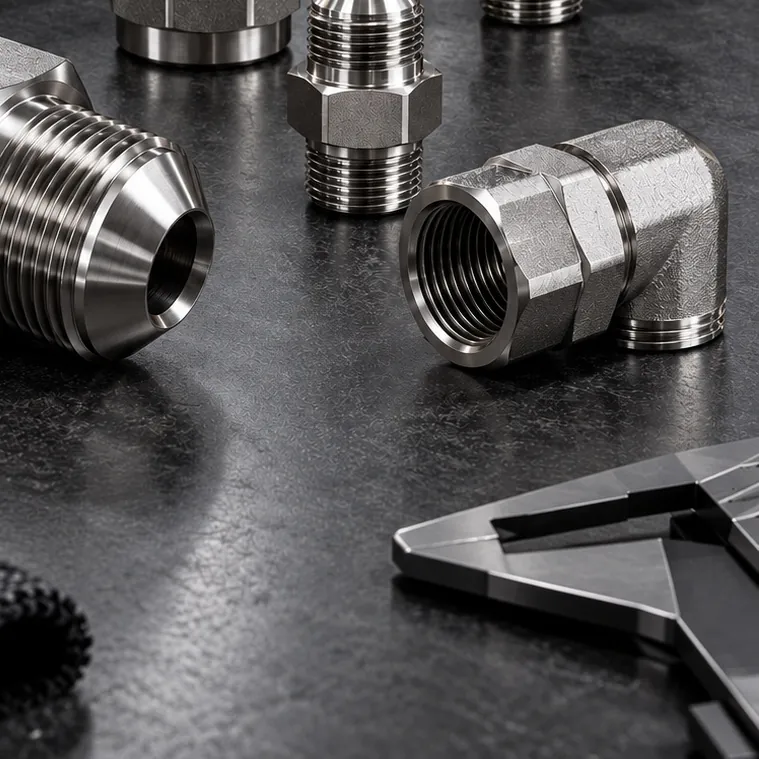 Weld Nipples & Weld Fittings Weld Nipples & Weld Fittings
Selection guide
Weld nipples and weld fittings add a removable connection point to a welded tube line. One end of the part is joined by welding to the tube or to a bulkhead, while the other end remains removable through a 24° cone compression or O-ring sealed connection. This allows equipment that needs servicing, such as a pump, valve block or cylinder, to be replaced without cutting the line. Weld bevel preparation, axial alignment and post-weld surface cleaning matter as much as part selection for the sealing and corrosion resistance of the connection.
Before the line is commissioned, pressure and leak-tightness verification is carried out to suit the application; on weld nipples, this is also the stage at which the O-ring is checked to be fitted and undamaged.
Bulkhead and tank penetrations in shipbuilding and ship repair, thick-walled pressure lines on offshore power units, high-pressure tubing in rolling mills, and removable equipment points connected to welded process lines in chemical plants. On sites where welding is not possible, or on lines that are modified frequently, DIN 2353 compression fittings are a more practical option.
Not sure about the right size?
Send the sample, the technical drawing or your caliper measurements, and we'll confirm the thread standard and the matching part together.
+90 545 206 13 74Knowledge Center
Technical articles on selecting, installing and maintaining the products in this group.
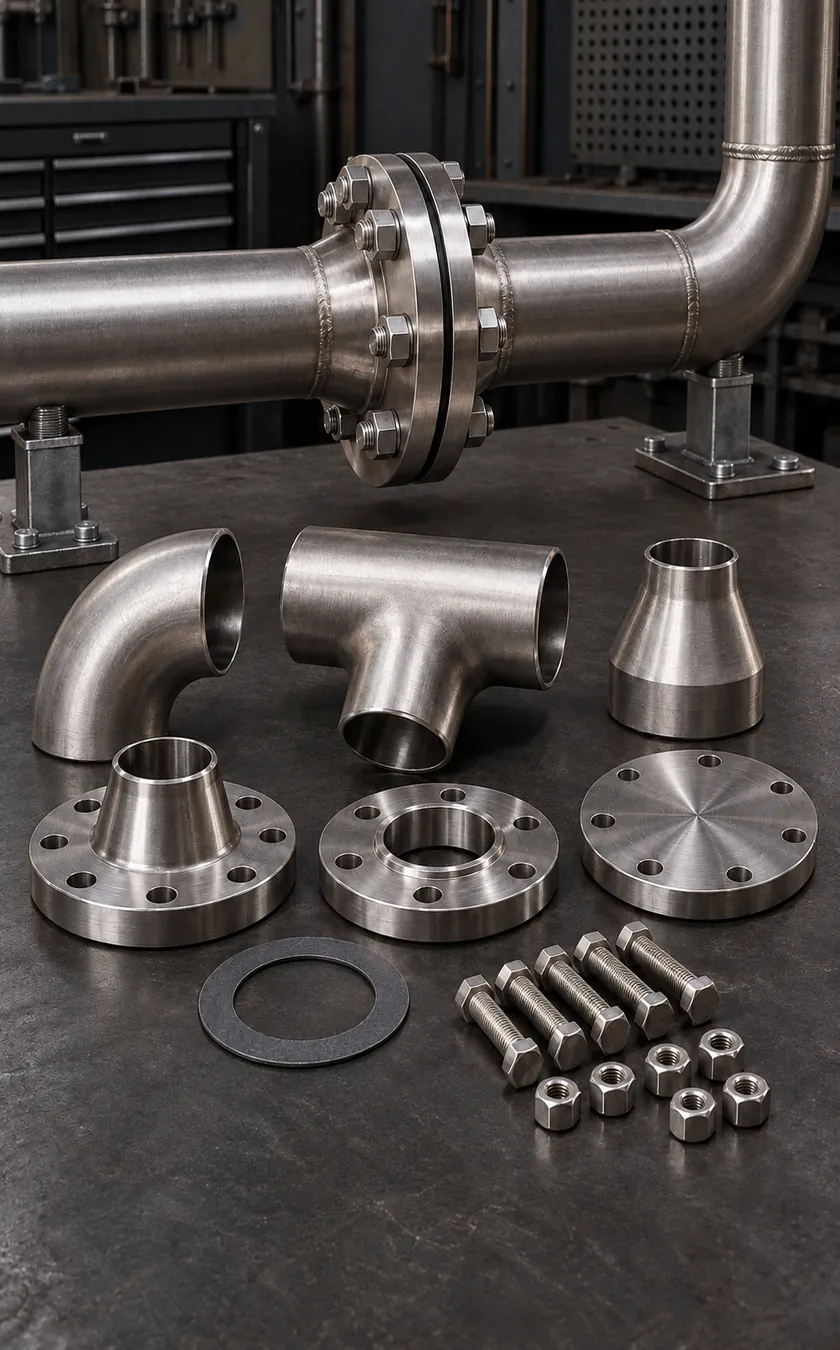
On a stainless steel pipeline, fittings and flanges are selected by matching them to the pipe's DN/NPS size and Schedule wall thickness. Weld neck…
The only difference between 316 and 316L is the carbon limit: max. 0.08% for 316 and max. 0.03% for 316L. Because low carbon reduces the risk of…
FAQ
If your question isn't answered here, message us on WhatsApp with dimensions or a photo, and our technical team will answer directly.
Ask on WhatsAppAfter. Welding heat permanently damages the O-ring. Welding is done with the O-ring removed, the heat tint is cleaned off, and once the part has cooled, a new, clean O-ring is fitted. The nut must also be slid onto the tube before welding.
On thick-walled, high-pressure or vibrating lines, a welded joint gives a stronger connection on the tube side, while the detachable end remains available as a maintenance point. On sites where welding is not possible, or on lines that are modified frequently, 24° cone compression fittings are more practical.
The thickness of the bulkhead or tank wall, the tube ODs and fitting series on both sides, the working pressure, and any watertightness or class rule requirement. If there is a project drawing, the dimensions are verified against the drawing.
The weld end of a weld nipple or weld fitting must have the same OD and wall thickness as the tube. If they differ, a step forms at the weld root; this step can cause turbulence in the flow, stress concentration at the root and, over time, cracking. Specify the tube size as OD × wall thickness.
The corrosion resistance of stainless steel depends on the passive layer on its surface. Heat tint around the weld and embedded iron particles weaken this layer and become initiation points for pitting corrosion. Pickling and passivation, or suitable mechanical cleaning, reduce this risk.