


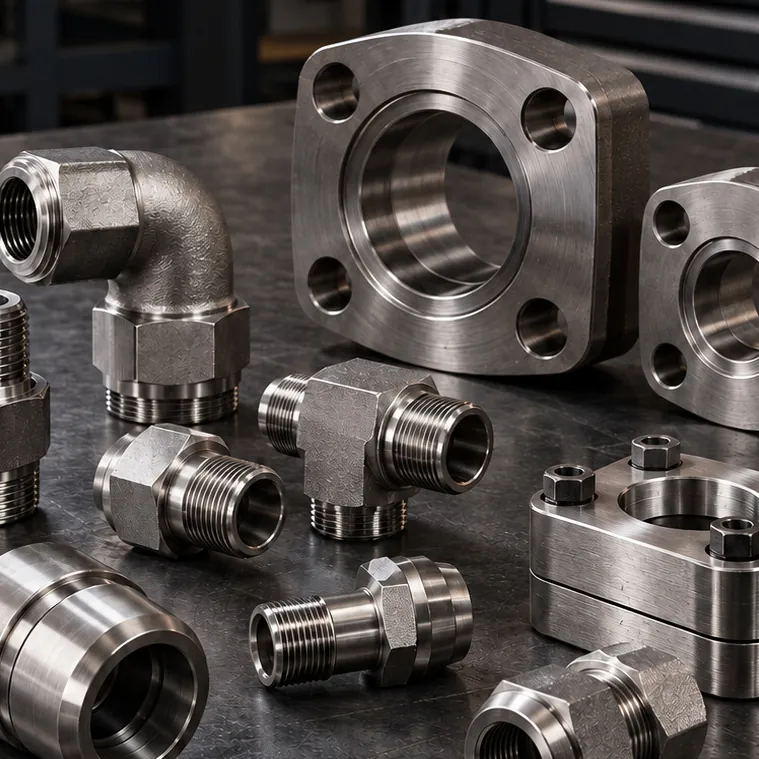
 SAE Flanges (Code 61 / 62)
SAE Flange Block
Details & quote
Sample · Technical drawing · First article approval
Where a standard product is not the answer: custom adapters, nipples, flange blocks and transition parts made from a sample, technical drawing or dimensions, with series production after written confirmation and first article approval.
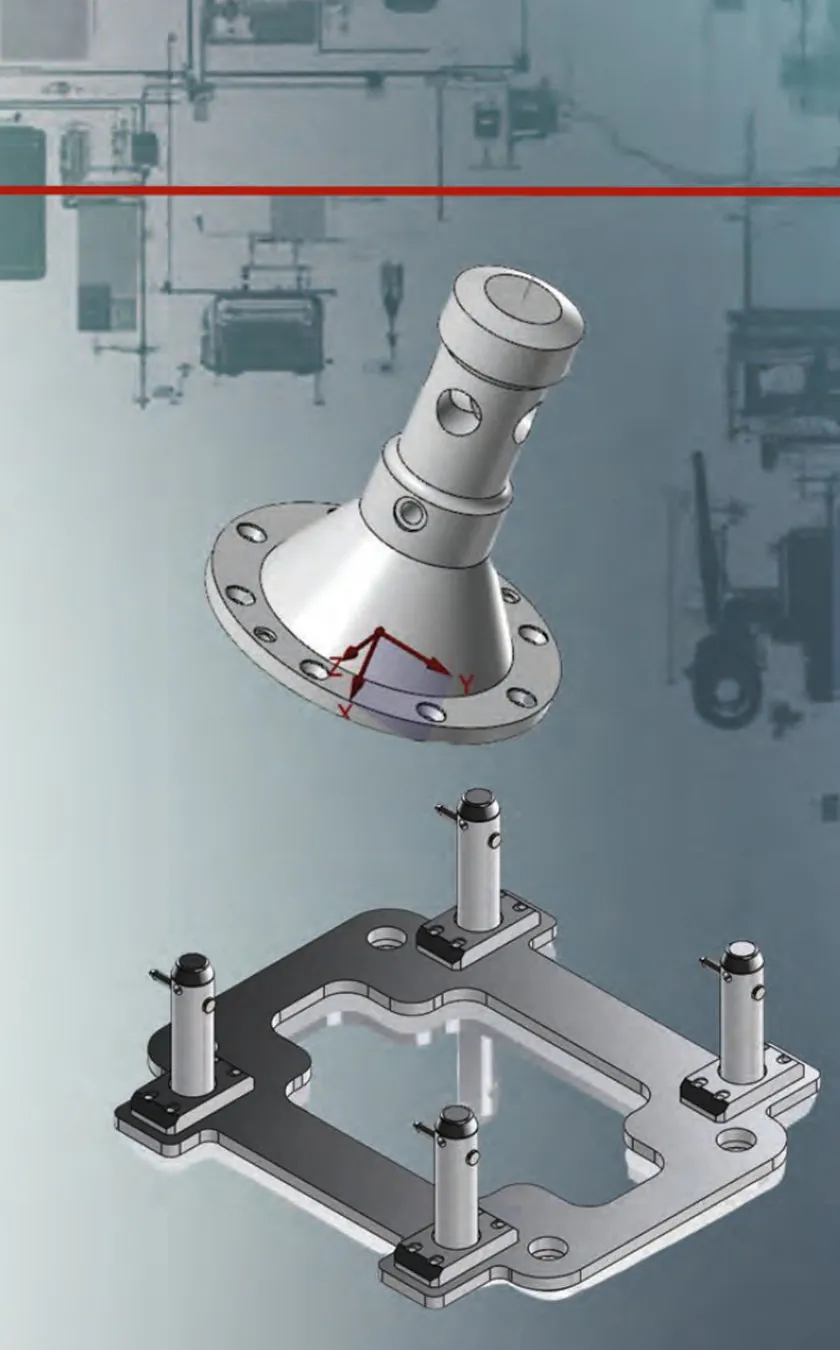
Quick answer
When a standard catalog part does not fit, GÜNEYSS manufactures custom AISI 316/316L adapters, nipples, flange blocks and transition parts from a sample, a dimensioned technical drawing or dimensional data. Thread standard, sealing type and critical dimensions are confirmed in writing before production; series production starts after the first article is approved. Custom-size and project manufacturing is scheduled within an average of 10-20 business days after technical approval.
Some connections are not in any catalog: a discontinued adapter for an old machine, a transition part that joins two different thread standards, a flange block that has to fit into a tight installation space, or a spare for equipment sourced from abroad. In these cases, manufacturing starts from a sample or a technical drawing. Once port size, connection orientation and installation clearance are defined on the same drawing, production becomes predictable.
A dimensioned drawing that specifies material grade, thread standard, tolerances and surface finish requirements is the fastest route. The drawing is reviewed for manufacturability; if any detail would complicate machining or inspection, it is flagged back to you with a suggestion before production.
The sample is measured, its thread standard is identified with a thread pitch gauge and diameter measurement, the sealing surface is examined and the dimensions are transferred to a drawing. With a worn or damaged sample, dimensions are evaluated together with the mating part and the operating conditions; worn dimensions are not copied as they are.
Outside diameter and thread pitch measured with a caliper, together with clear photos of the part from different angles, are enough for a preliminary assessment. For exact dimensions, the sample or the dimensions of the mating part are usually requested.
The preferred material for custom parts is AISI 316/316L, which provides corrosion resistance in saltwater, humid and chemical environments. If the part will be connected to a welded line, low-carbon 316L is preferred. If a different material is required, it should be specified on the technical drawing or in the request; raw material diameter and availability are factored into the lead time planning at this stage.
The most expensive mistake on a custom part is a misunderstood dimension. "1/2 inch" could mean BSP or NPT. At this size, the two threads have the same pitch (14 threads per inch) and very similar diameters, but the thread angle (55° vs. 60°) and the sealing method are different. Having the thread standard, sealing type and critical dimensions in writing before production ensures both sides are talking about the same part, and makes it easier to produce the identical part on a repeat order.
Parts subject to technical drawing approval in the defense industry; adapters for ground support and test equipment in aviation; spares for foreign-made equipment in marine and shipyards; transitions for mixed-standard lines on offshore facilities; port transitions for older machines in rolling mills and paper and board mills; process line-specific connections in chemical plants.
Custom-size and project manufacturing is scheduled within an average of 10-20 business days after technical approval. The clock starts on the day technical approval is given; the sooner the dimensions, material and quantity are finalized, the sooner production starts. If standard fittings or hose assemblies are also needed alongside the custom part, everything can be planned for the same shipment.
Process
From request to delivery in 6 steps
The sample, drawing or dimensions, plus material, quantity and operating conditions, are collected.
Manufacturability, raw material diameter and machining sequence are reviewed.
Thread standard, sealing type and critical dimensions are mutually approved.
The first part is machined and passes dimensional inspection.
Production runs to the approved dimensions, and the batch passes final dimensional inspection.
Threads and ports are capped, and parts are packed by order group.
Sectors
On the sector page, you'll find this service's field-specific applications, recommended products and frequently asked questions.
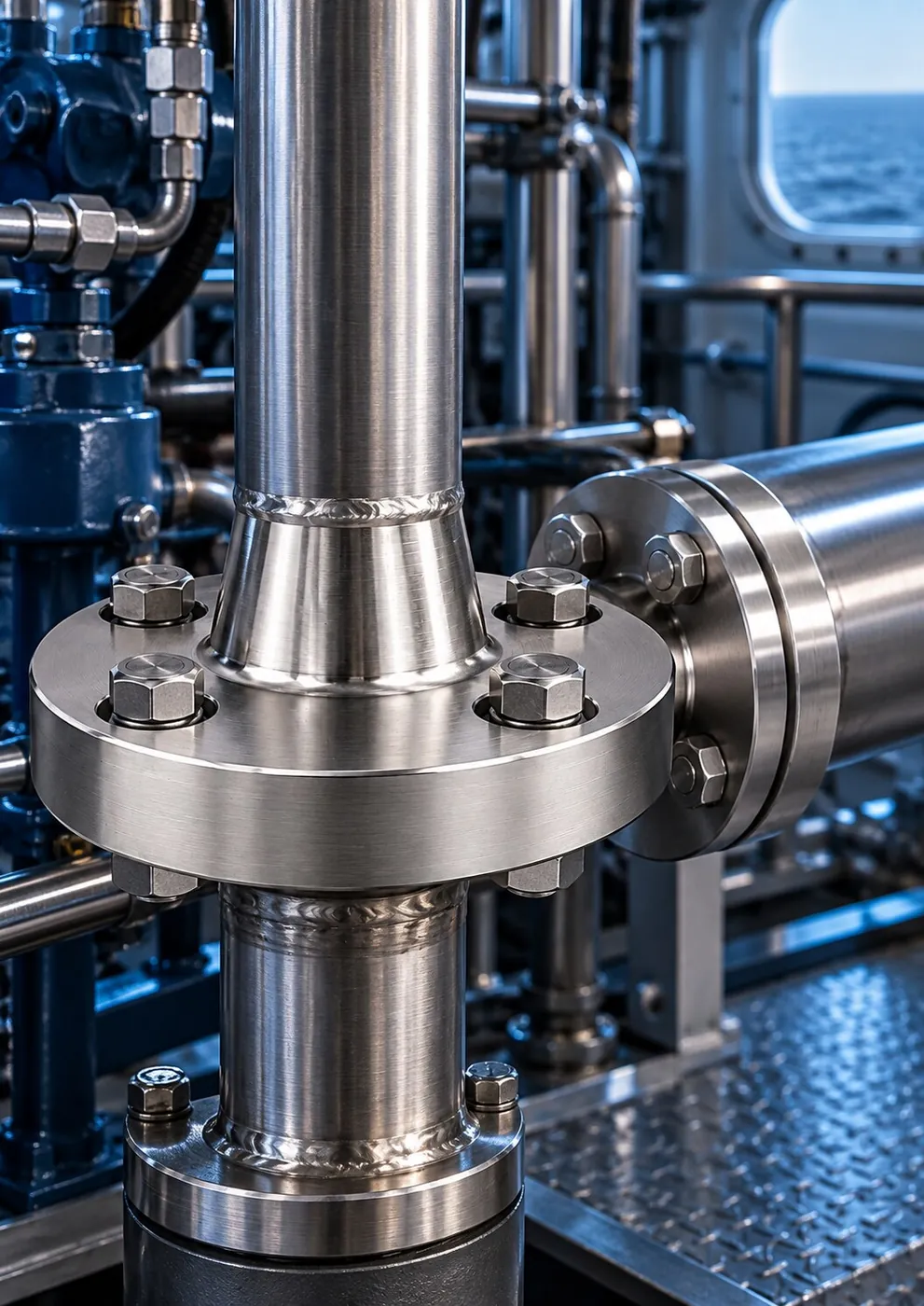
AISI 316L fittings, hose assemblies, SAE flanges and valves built to withstand salt spray and vibration on deck cranes, windlasses, steering gear, passerelles and engine room lines.
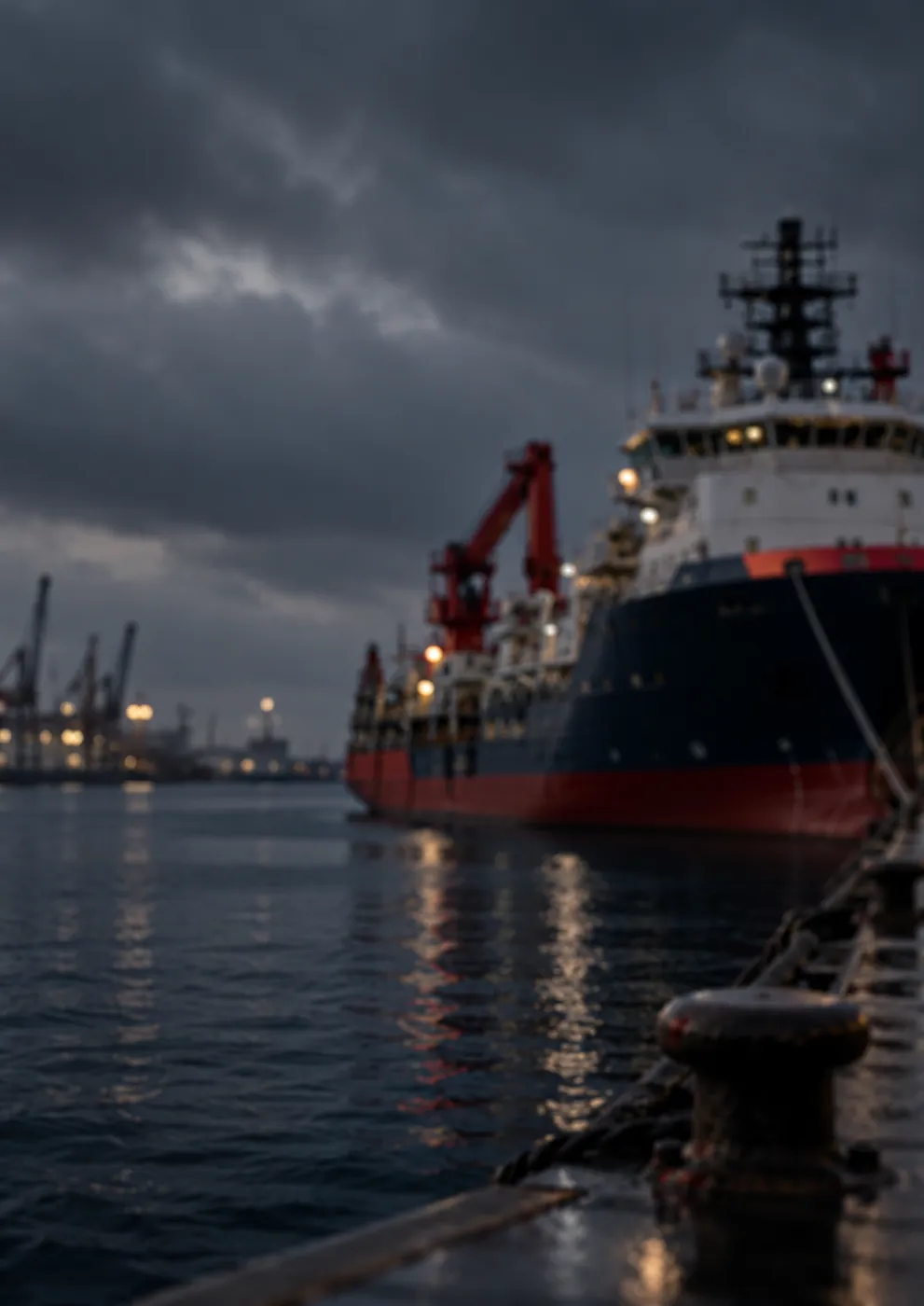
Stainless steel pipe, flanges, fittings and hose assemblies, from newbuild piping circuits to drydock overhauls; fast spares from stock for ship crane service teams.

AISI 316L hose ends, SAE flanges, adapters and valves for crane, pipe handling, deck machinery and power unit lines on drillships and platforms.
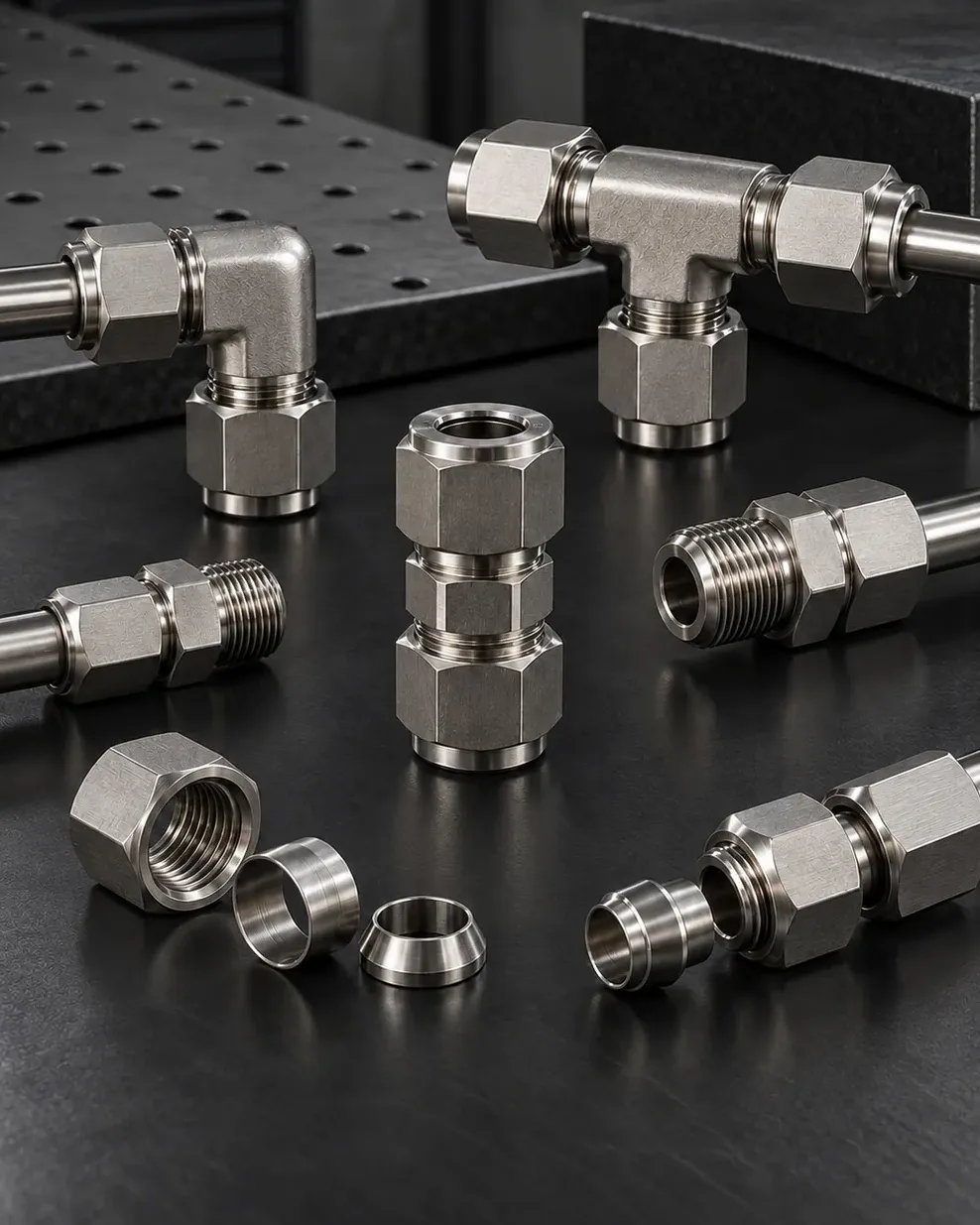
316L twin-ferrule fittings, needle valves, check valves and tubing for wellhead control panels, chemical injection, refinery instrument and sampling lines, and pipeline stations.
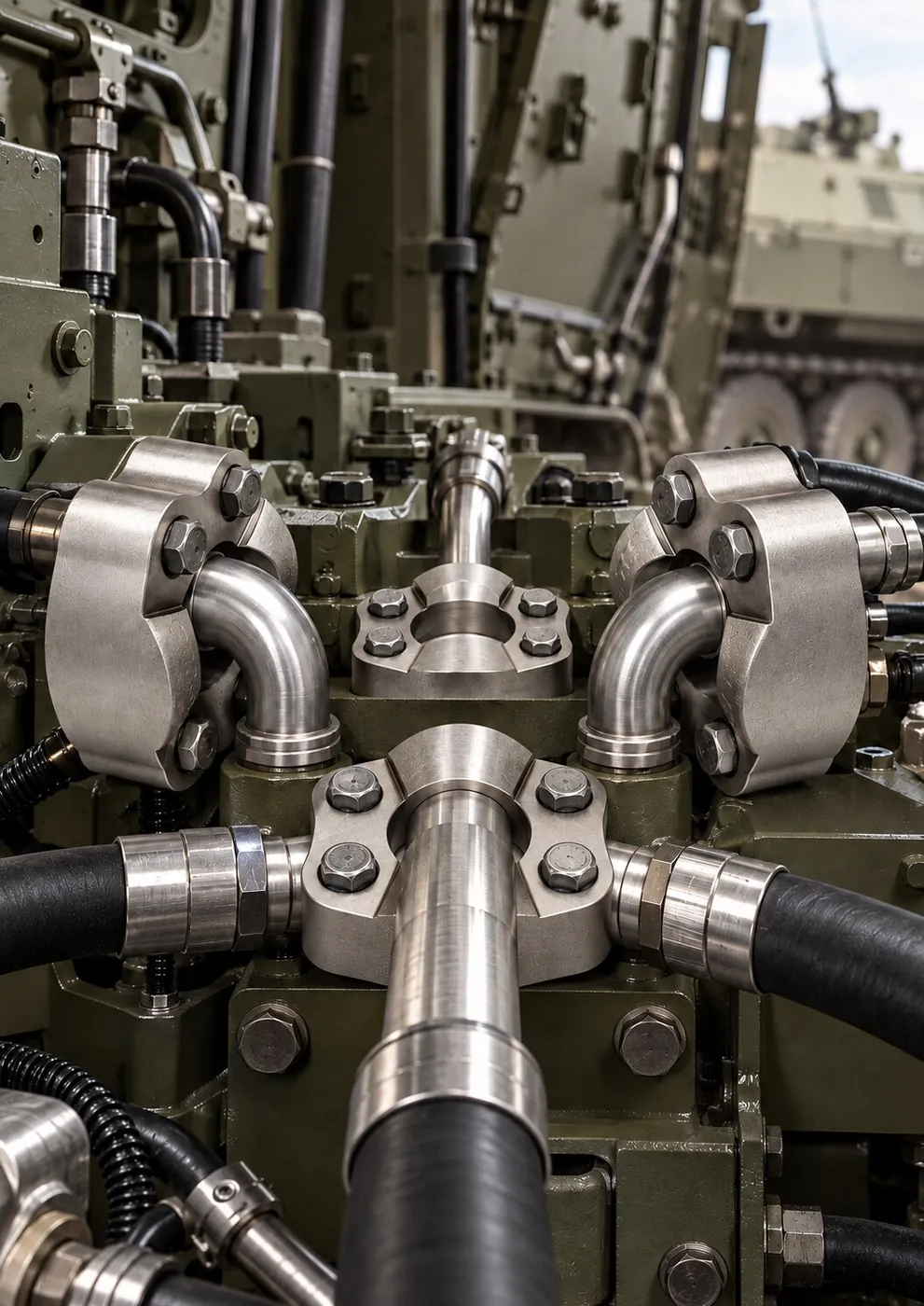
SAE flanges, adapters, elbows and hose fittings CNC-machined after technical drawing approval for mobile hydraulic systems, maintenance benches and compact power units.
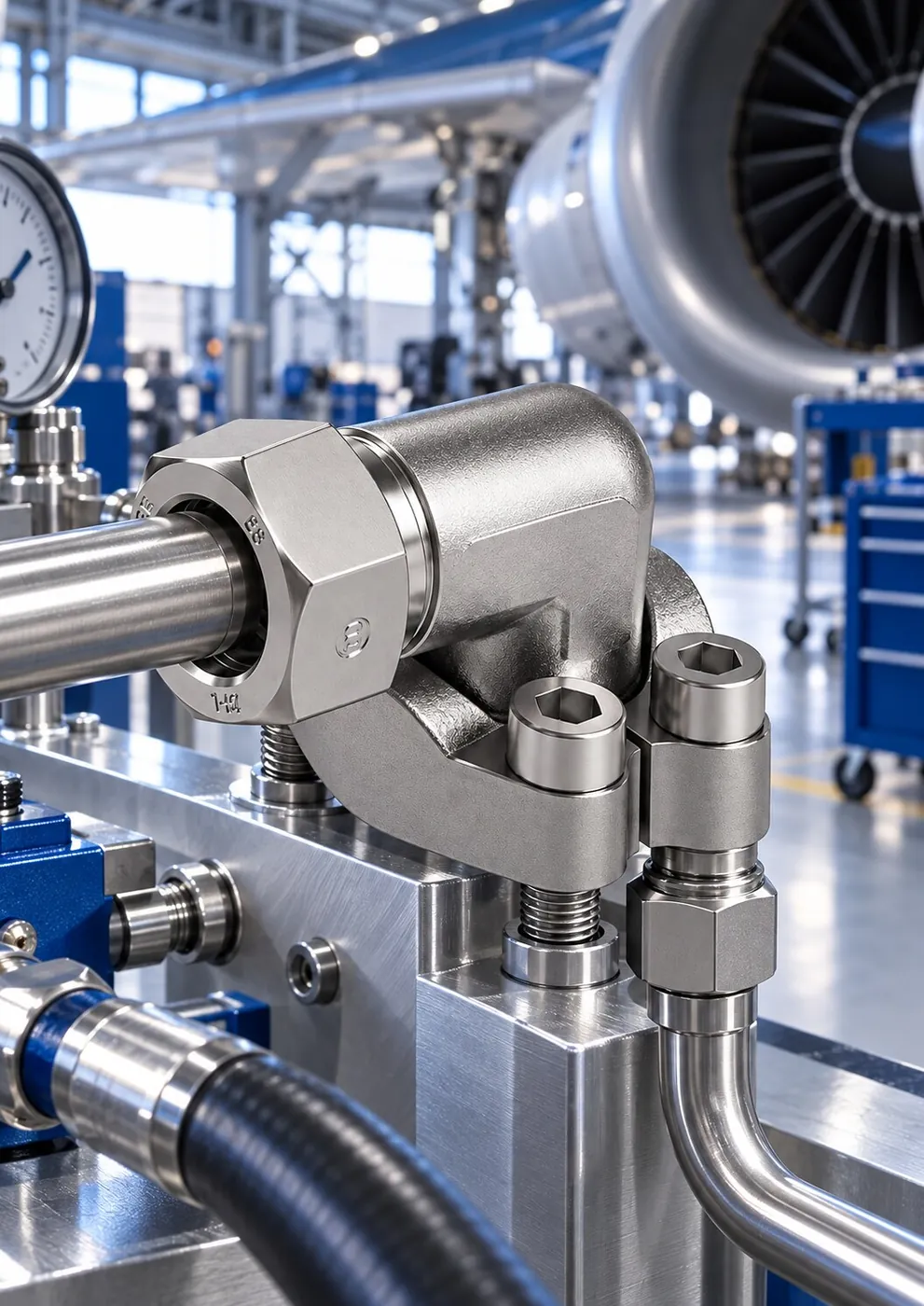
Compact AISI 316/316L fittings with clean threads and sealing surfaces for ground support equipment, hydraulic test benches and maintenance workshops.
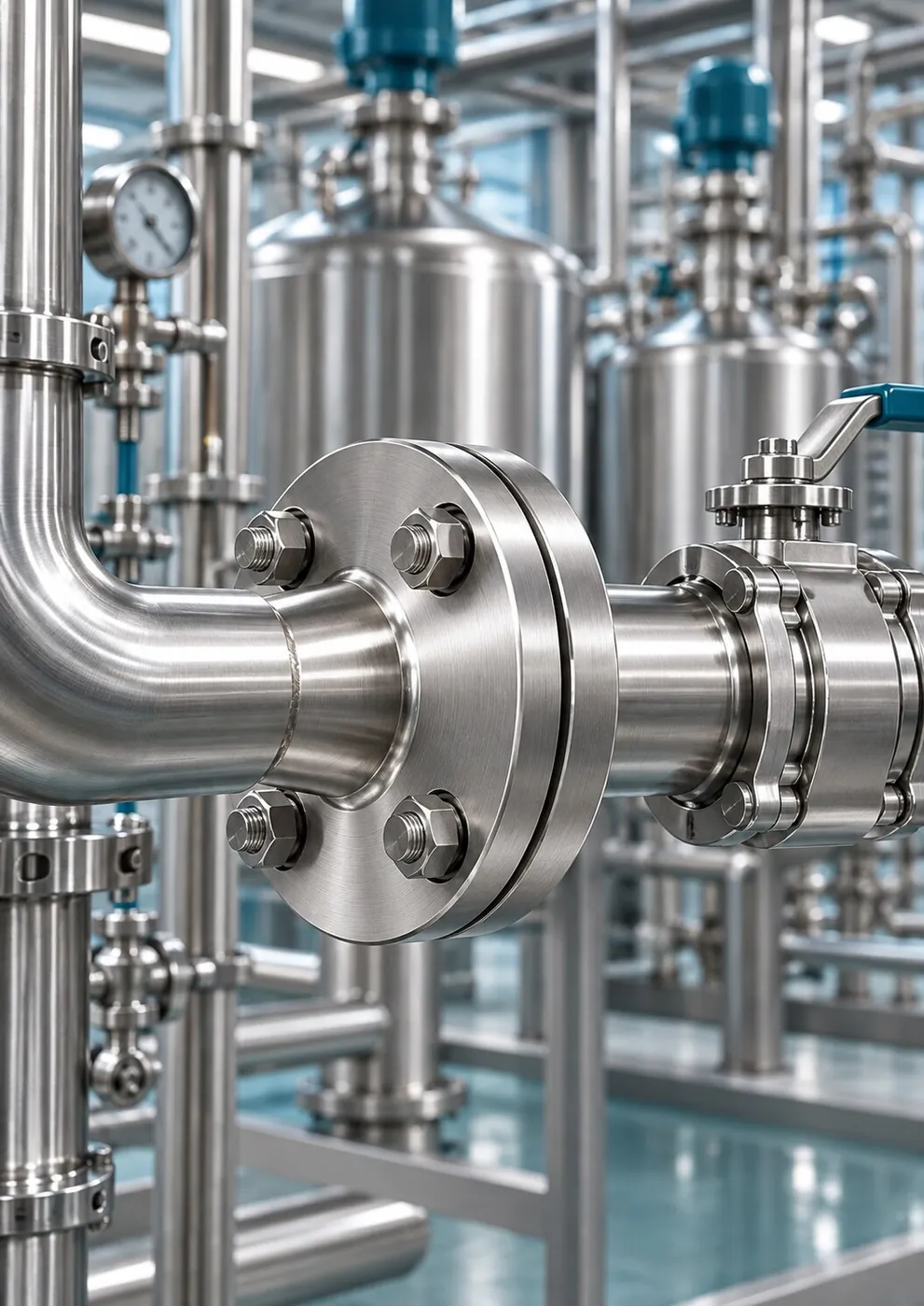
Stainless steel fittings, nipples, valves, flanges and hose fittings for chemical transfer and process lines, selected by weighing fluid compatibility, corrosion resistance, temperature and pressure together.
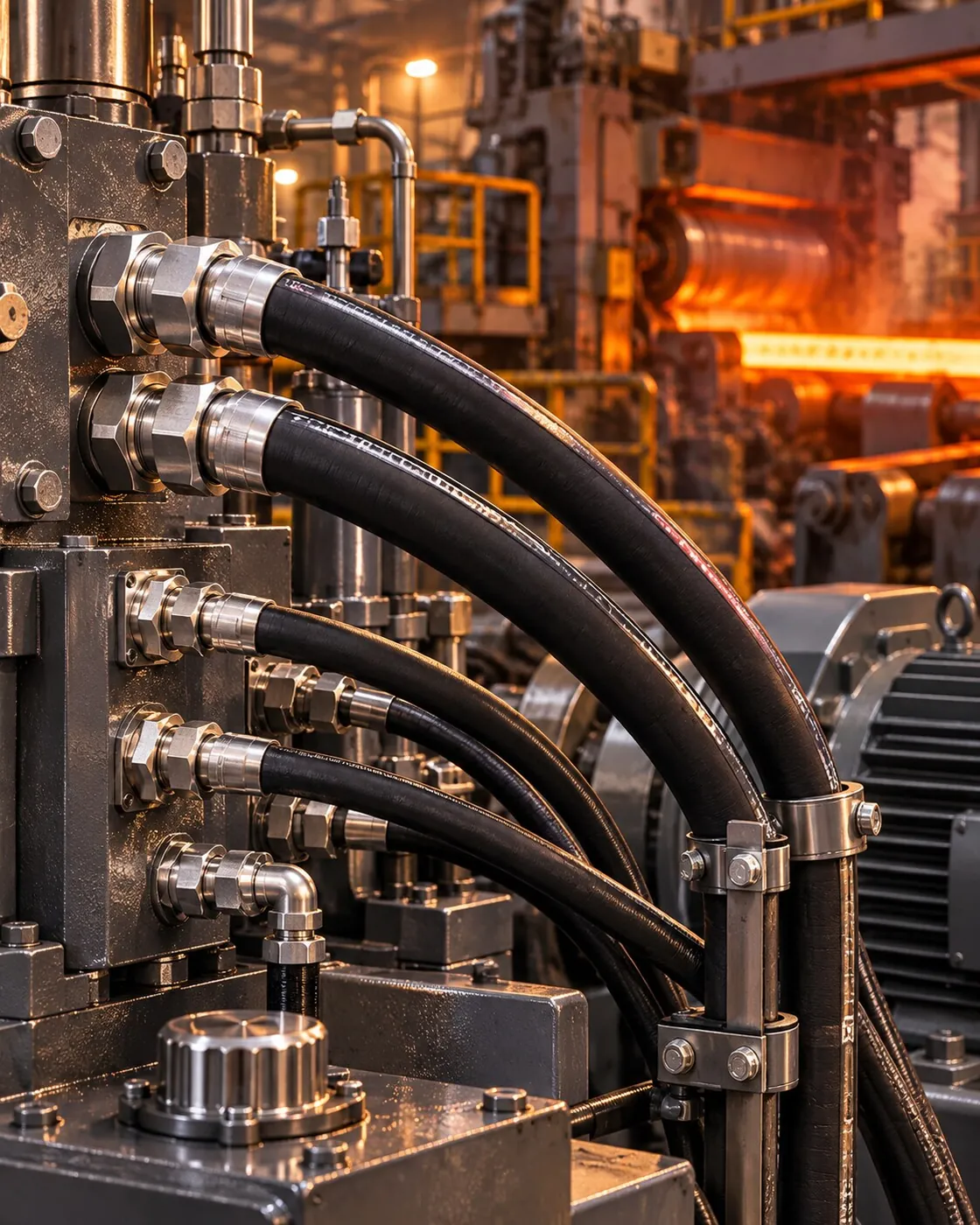
High-pressure hose ends, SAE flanges and adapters built for the high cycling, heat and vibration of presses, mill rolls and hydraulic power units; supplied from stock for emergency maintenance.
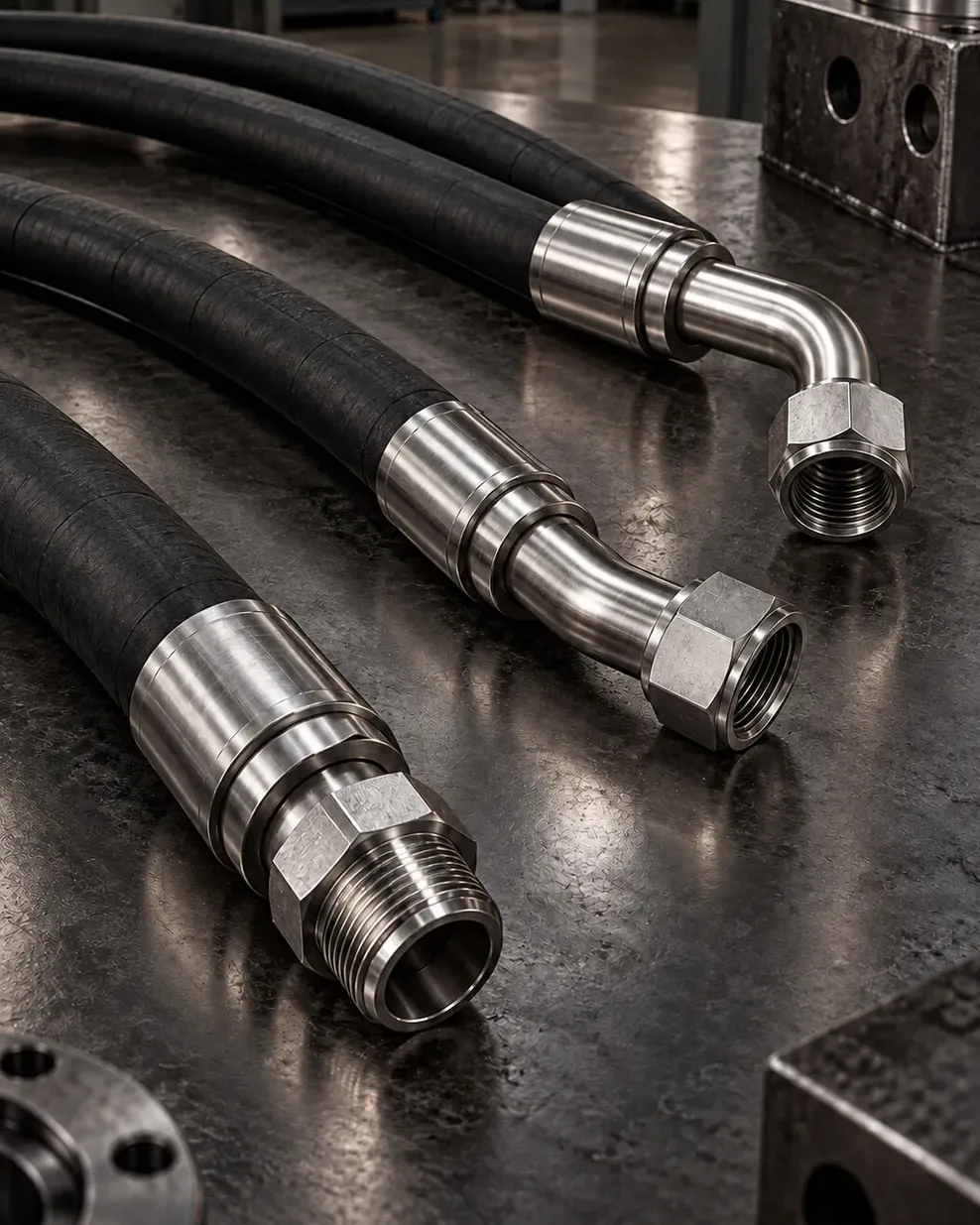
AISI 316L hose ends, SAE flanges, adapters and valves selected for mine water, vibration and abrasion on underground and open-pit machinery, crushing and screening, flotation, leaching and drainage lines.
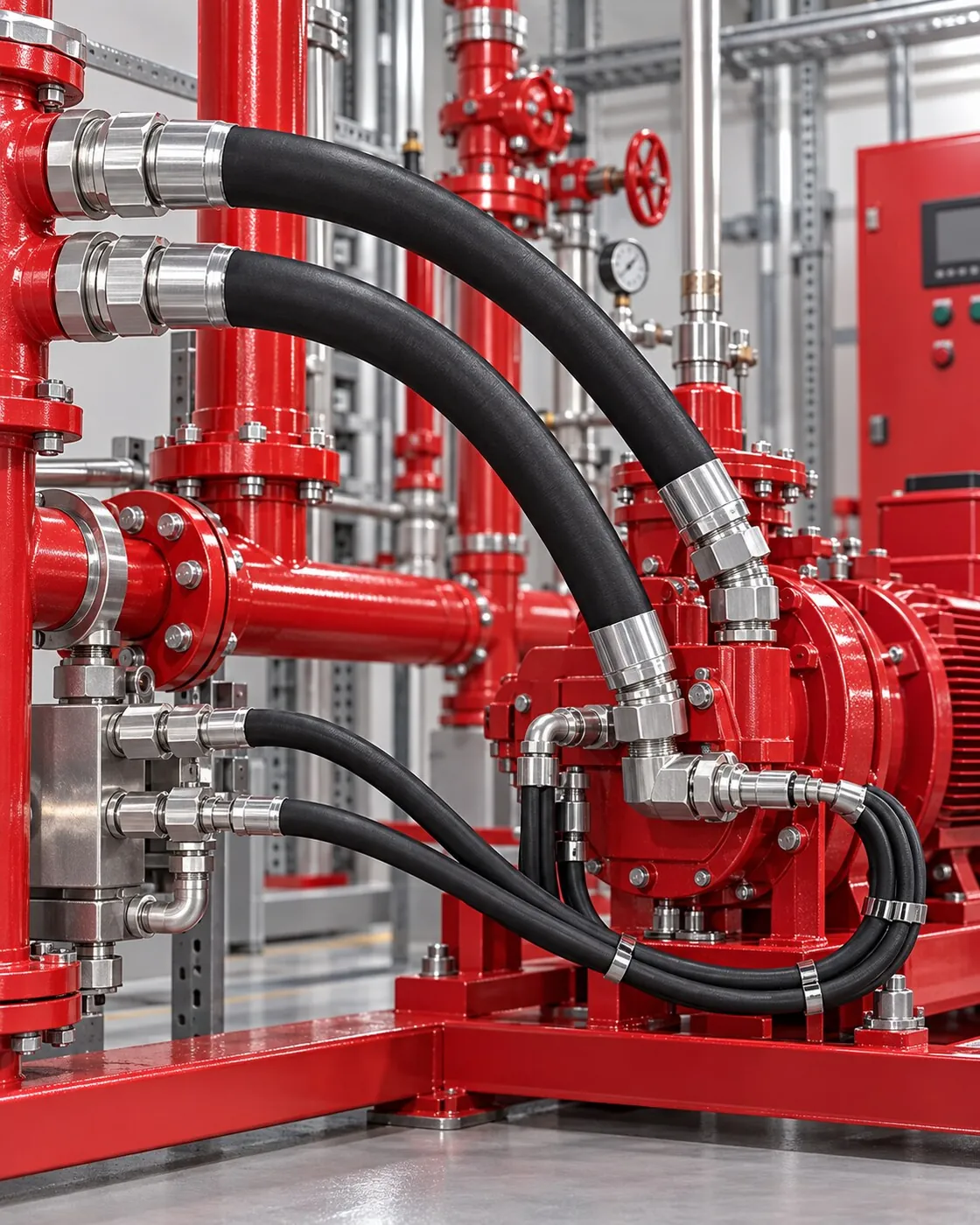
Neatly laid out, leak-tight stainless steel nipples, fittings, hose assemblies and flange connections that make servicing easier on fire pump sets, control skids and pressurized auxiliary lines.
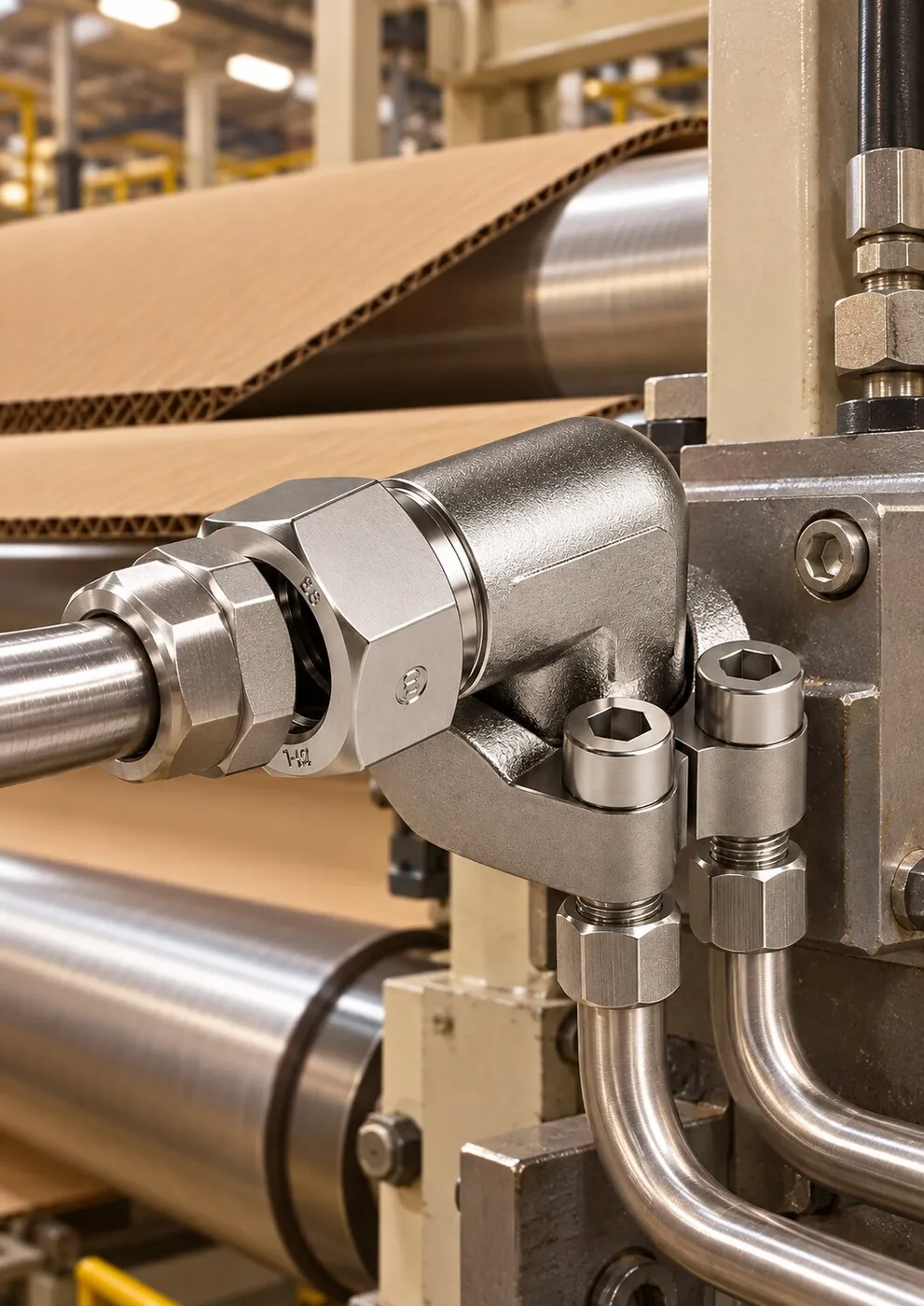
Elbows, tees, adapters, hose fittings and SAE flanges that cut maintenance time for continuously running hydraulic systems on corrugator, roll, cutting and actuator lines.
3 products
SAE Flanges (Code 61 / 62) 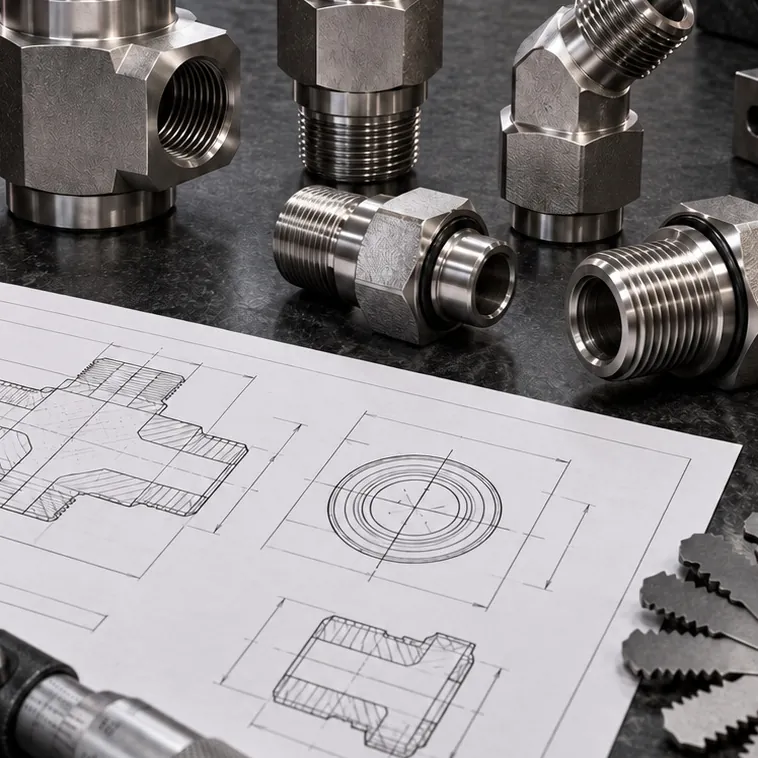 Custom-Made Hydraulic Parts
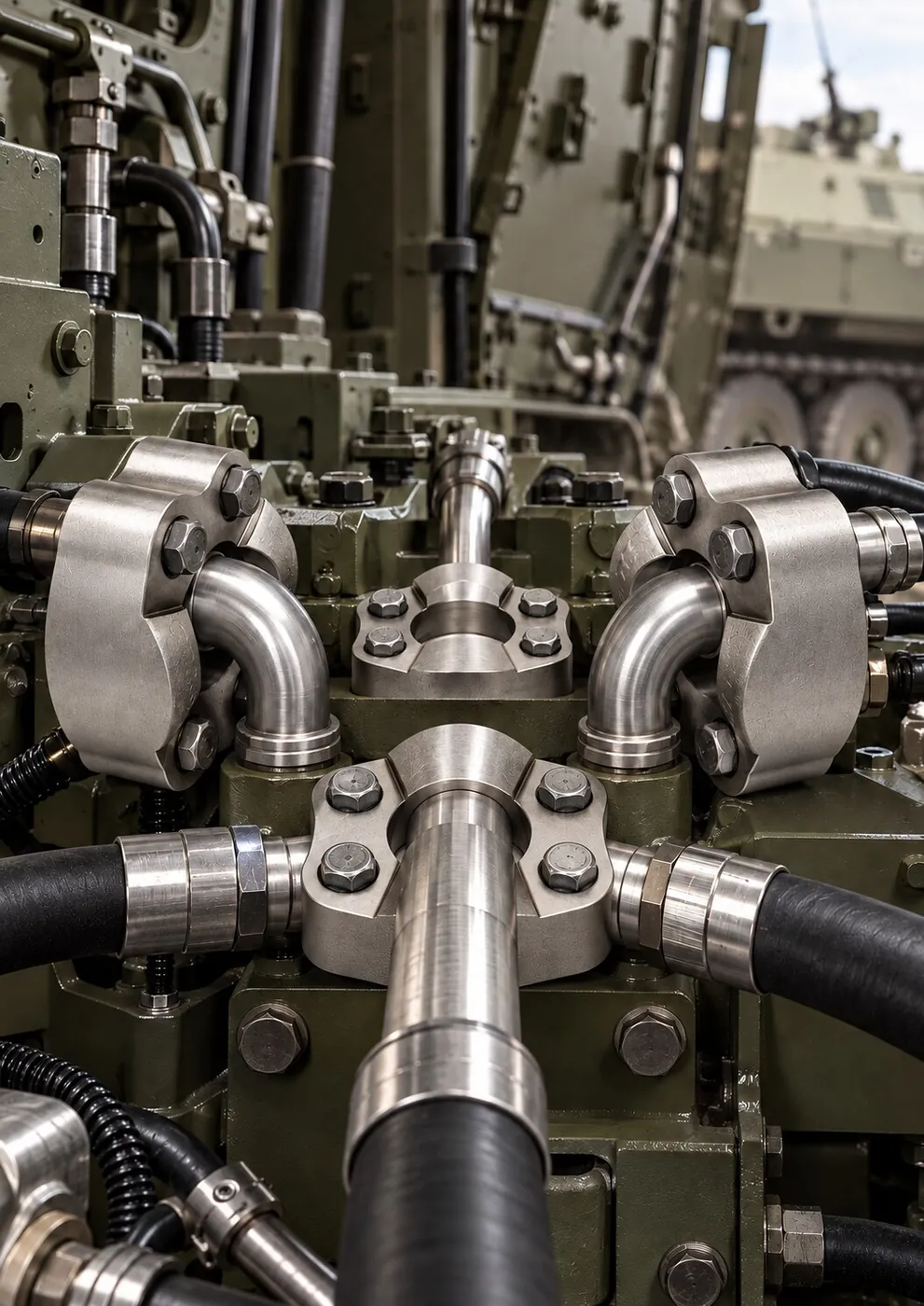 Custom-Made Hydraulic Parts
Gallery
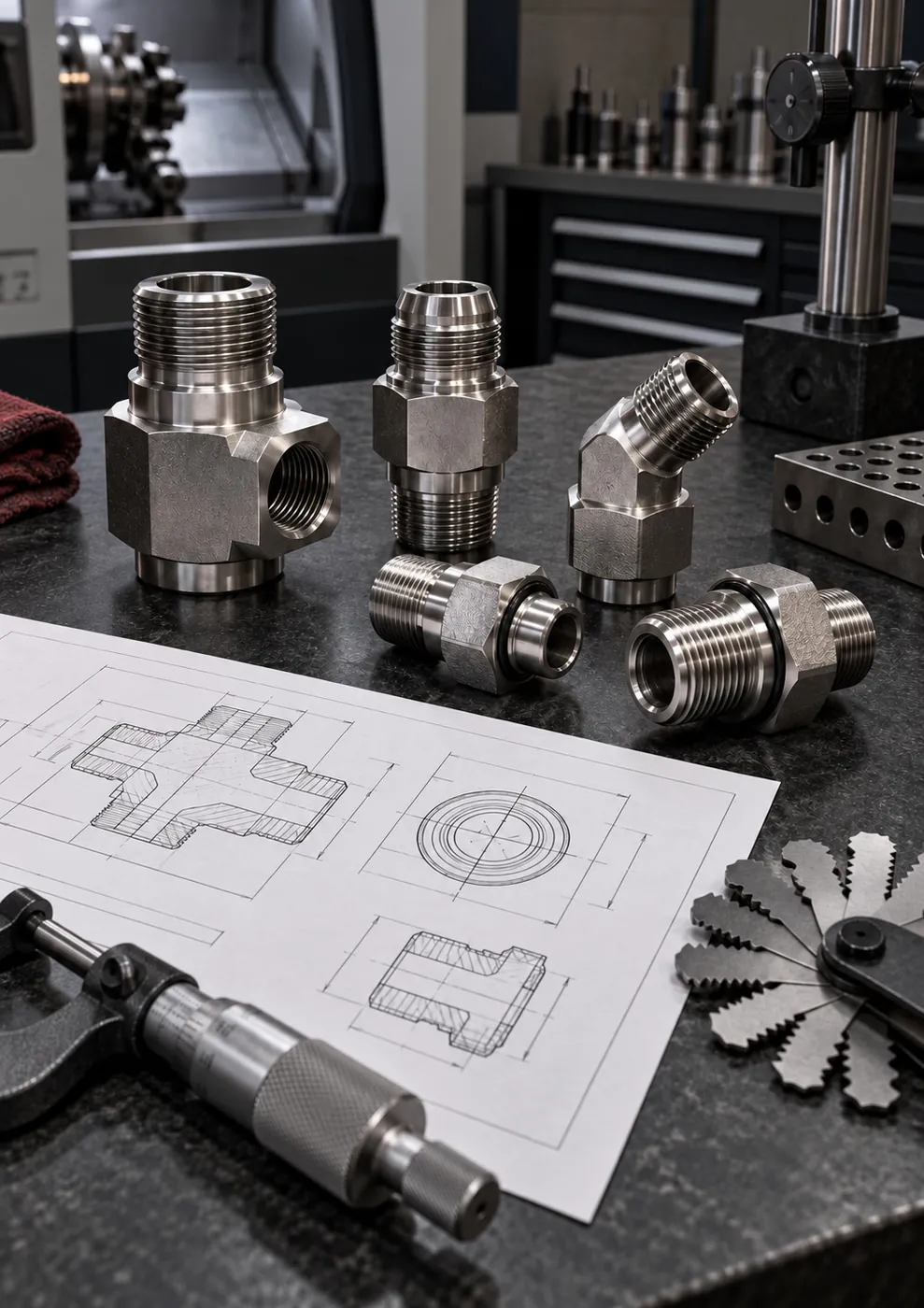 Technical drawing, sample fittings and dimensional verification with a micrometer (illustrative image)
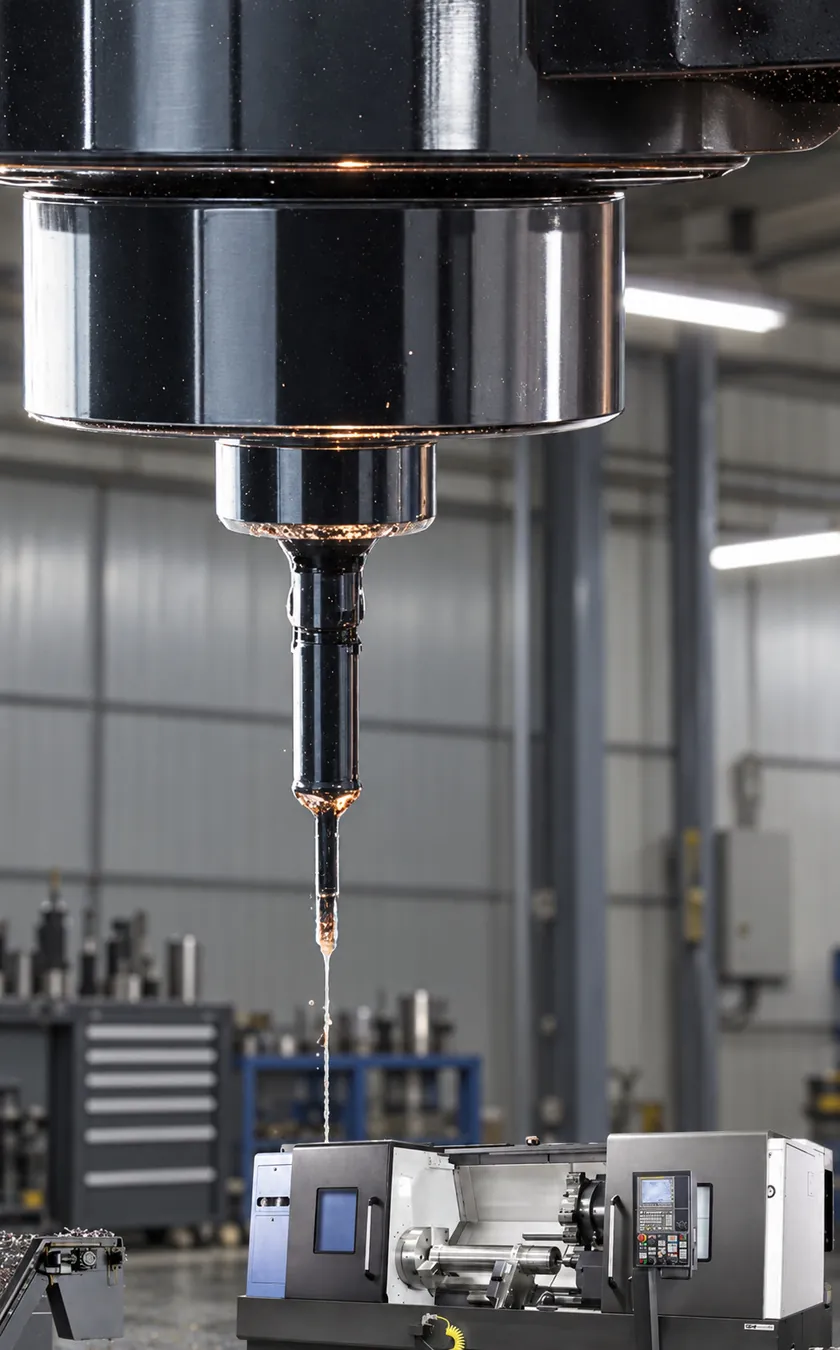 Machining a part on a CNC machine (illustrative image)
SAE flange connections in military vehicle hydraulics (illustrative image)
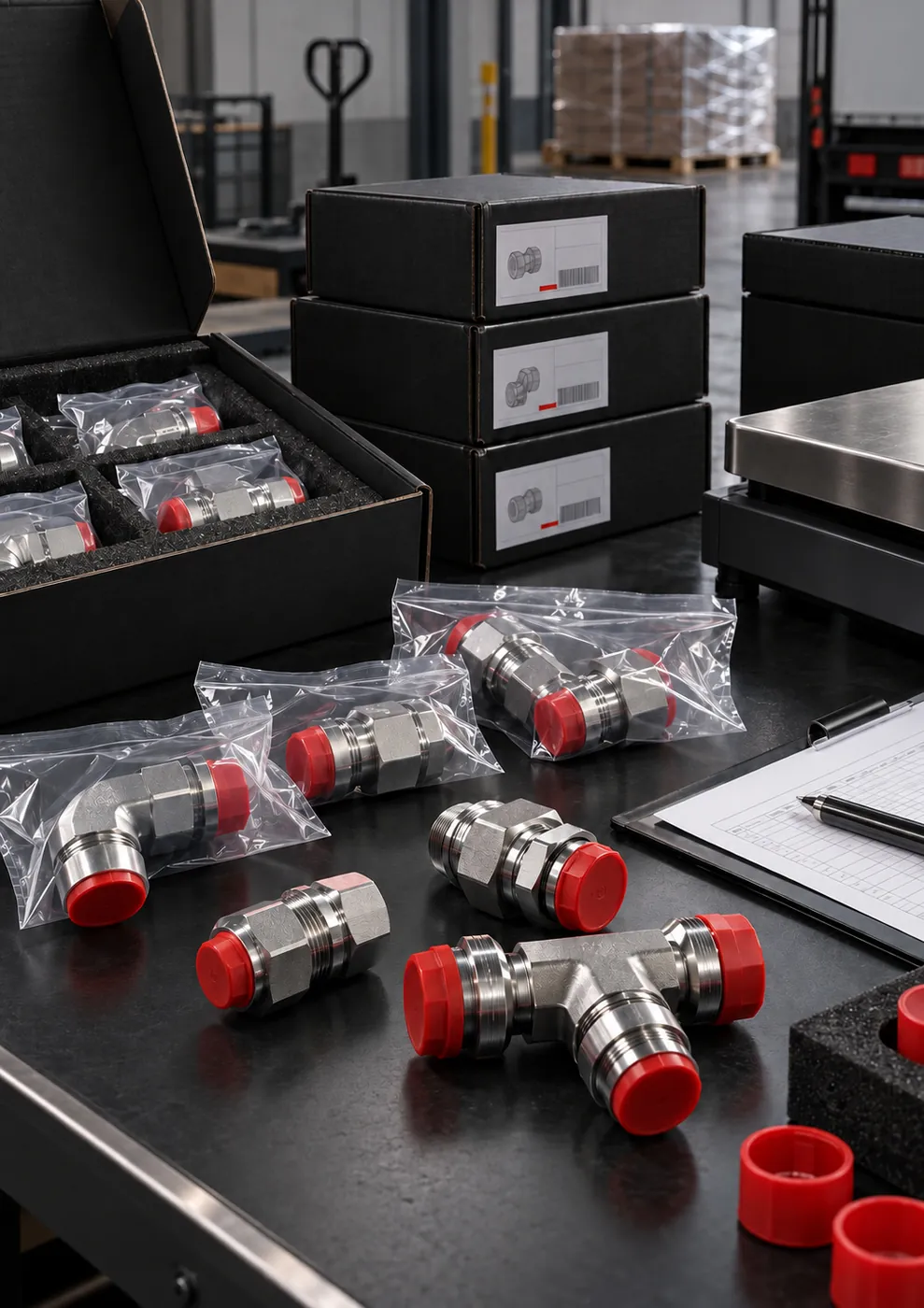 Parts with protective caps, packed by order group (illustrative image)
FAQ
If your question isn't here, message us on WhatsApp with a ready-made message and our technical team will answer directly.
Ask on WhatsAppYes. The sample is measured, the thread standard and sealing surface are identified, the dimensions are transferred to a drawing and confirmed in writing before production. If the sample is worn, dimensions are determined together with the mating part and the operating conditions.
The sample can be shipped by courier to Tuzla, Istanbul, or delivered by hand. If you share photos of the part and its caliper measurements via WhatsApp before sending it, the preliminary assessment starts while the sample is on its way.
Before series production, a single part is machined and all of its critical dimensions are inspected. If this part conforms to the confirmed dimensions, series production begins. This way, any dimensional discrepancy or difference in interpretation is caught before the entire batch is produced.
A technical drawing or photo of the sample, material requirement (AISI 316/316L is considered if not specified), quantity, the thread standard if known, working pressure, temperature, fluid and environment. Any missing information is completed together at the technical verification stage.
Custom-size and project manufacturing is scheduled within an average of 10-20 business days after technical approval. The exact time depends on raw material diameter, quantity, part geometry and any required testing or surface finish.
Quote and technical verification
Briefly describe your request; once size, material and lead time are clear, we'll respond with a written quote.
Details that speed up your quote